
Customs and Import Duties on Promotional Products in Australia: A Complete Guide
Navigating customs and import duties on promotional products in Australia? Learn what to expect, how to plan, and how to avoid costly surprises.

Written by
Bianca Moretti
Buying Guides & Tips
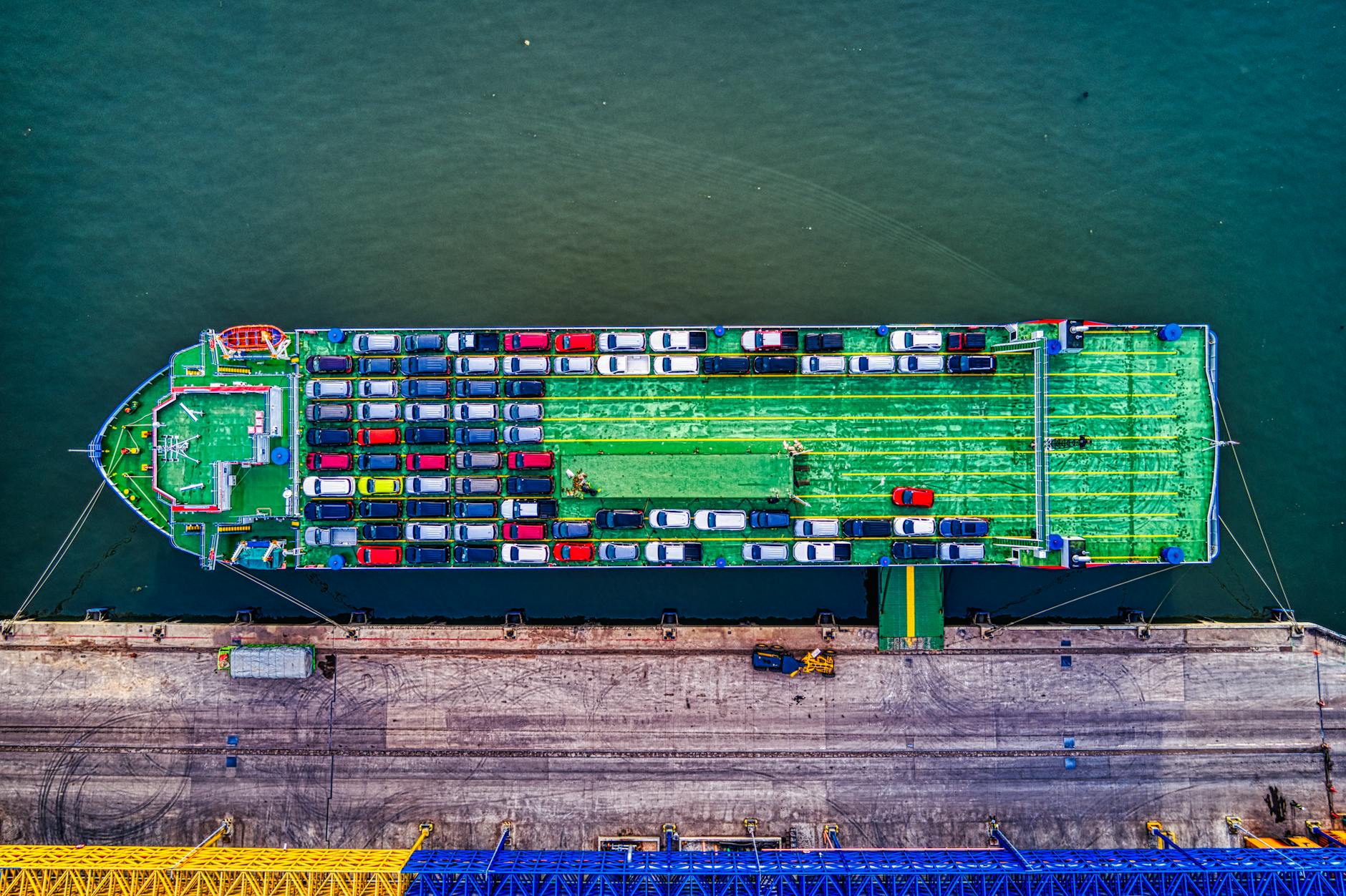
Sourcing promotional products overseas can unlock significant cost savings — but if you’ve never dealt with Australian customs before, the process can feel like stepping into a maze. Import duties, GST on imports, tariff classifications, and compliance requirements can quickly erode the budget benefits you were hoping to achieve. Whether you’re a Sydney-based marketing manager ordering bulk branded merchandise from overseas, a Melbourne sporting club importing custom apparel, or a Brisbane business sourcing tech accessories for a trade show, understanding how customs and import duties on promotional products in Australia work is absolutely essential before you place that first overseas order.
This guide breaks down everything you need to know — from how duties are calculated to which product categories attract the highest tariffs — so you can make informed, confident decisions about your promotional merchandise sourcing strategy.
Why Australian Businesses Source Promotional Products Overseas
Before diving into the compliance side of things, it’s worth understanding why overseas sourcing is so appealing in the first place. Manufacturing costs in countries like China, Vietnam, Bangladesh, and India are significantly lower than domestic production costs, and minimum order quantities (MOQs) can sometimes be more flexible on larger international orders.
For large-scale campaigns — think a national conference giveaway, a statewide sporting event, or a government department’s annual branded merchandise run — importing directly can deliver substantial savings per unit. A Perth council procuring 5,000 branded tote bags or a Gold Coast business ordering 2,000 custom branded reusable coffee cups might find that offshore sourcing makes their budget stretch considerably further.
That said, the savings equation only holds up when you’ve properly accounted for all import-related costs. Ignoring duties and taxes is one of the most common and costly mistakes Australian buyers make.
How Customs and Import Duties on Promotional Products Australia Work
The Basics: What Is an Import Duty?
Import duties (also called customs duties or tariffs) are taxes levied by the Australian Border Force (ABF) on goods brought into the country. They’re calculated as a percentage of the customs value of the goods — typically the price paid to the overseas supplier, expressed in Australian dollars.
Australia uses the Harmonised System (HS) tariff schedule to classify every type of product. Each product category is assigned an HS code, and the applicable duty rate is determined by that code. Some categories attract a 0% duty rate, while others can be as high as 10% or more.
For promotional products specifically, the HS code will vary depending on what the product actually is — not what it’s being used for. A branded tote bag is classified as a bag, not as “marketing material.” A custom pen is classified as a pen. The promotional purpose of the item is irrelevant from a customs classification standpoint.
GST on Imported Goods
On top of any applicable duty, importers must also pay 10% GST on the customs value of goods plus freight and insurance costs (known as the CIF value). This applies to virtually all commercial imports. If you’re GST-registered, you can claim this back as an input tax credit — but you still need to have the funds available at the time of importation.
As of 2026, the Low Value Threshold (LVT) means that goods with a customs value of AUD $1,000 or less are no longer automatically duty-free. GST is now collected at the point of sale for low-value imports via the vendor, which has significant implications for small orders placed through international platforms.
Customs Value vs Landed Cost
Here’s where many first-time importers get caught out. The customs value is based on the transaction value of the goods (what you paid the supplier). However, your true landed cost includes:
- Purchase price (customs value)
- Import duty (percentage of customs value)
- GST (10% on CIF value)
- Customs broker fees (typically AUD $150–$400+ per shipment)
- Port handling and cartage charges
- Freight and insurance
When you add all of this up, an overseas order that looked 40% cheaper than a local supplier might end up being only 15–20% cheaper — or in some cases, similar in price. Always model the full landed cost before committing.
Which Promotional Product Categories Attract Import Duties?
Different product types have different duty rates under the Australian tariff schedule. Here’s a general overview of how common promotional product categories are typically treated:
Apparel and Textiles
Custom apparel — including zip-up hoodies, branded polos, t-shirts, and hi-vis workwear — is one of the most commonly imported promotional product categories. Garments generally attract a duty rate of 5%, though this can vary depending on the specific item and its country of origin.
If the goods are manufactured in a country that has a Free Trade Agreement (FTA) with Australia — such as China (ChAFTA), Vietnam (AANZFTA), Thailand (TAFTA), or Bangladesh — the duty rate may be reduced to 0% if the goods meet the relevant Rules of Origin requirements. This is a significant saving on large apparel orders, so it’s always worth checking FTA eligibility before ordering.
Drinkware
Promotional drinkware — branded water bottles, keep cups, and glass bottles — can fall under various HS classifications depending on the material. Check out our guide to promotional drinkware consumer behaviour in Australia for context on why this category remains so popular. Stainless steel and plastic drinkware typically attracts 0–5% duty, while glass products may have different classifications. Branded glass water bottles in particular are worth checking separately.
Bags and Totes
Bags — whether branded tote bags, backpacks, cooler bags, or upcycled fabric branded bags — generally fall into the 0–5% duty range, depending on material and construction. Leather bags may attract higher rates.
Tech Accessories
Promotional tech accessories like power banks, USB drives, and branded tablet stands are often classified under electronics categories and may attract 0% duty, particularly if sourced from countries with FTAs. However, compliance with Australian technical standards (such as RCM certification for electrical products) is a separate and important requirement — more on that below.
Stationery and Pens
Pens, notebooks, and lanyards are generally low-duty or duty-free items. The duty rate for most stationery is 0%, making it a relatively straightforward import category.
Eco-Friendly and Sustainable Products
Items like recycled promotional products, sustainable bamboo desk accessories, and promotional plant pots may span several different HS codes depending on their primary material — bamboo, recycled plastic, organic cotton, and so on. Each material classification may carry a different duty rate.
Free Trade Agreements and Their Impact
Australia has FTAs with many of its largest trading partners, including China, ASEAN nations, Japan, South Korea, India, and the UK (as of recent years). Under these agreements, goods meeting specific Rules of Origin can qualify for preferential (often zero) tariff rates.
For promotional products sourced from China — which represents the majority of overseas promotional merchandise imported into Australia — ChAFTA preferential rates often apply. However, you must have a valid Certificate of Origin to claim these rates, and your customs broker will need to declare the FTA at the time of lodging the import entry. Missing this step means you pay the general rate, even if you were entitled to a reduction.
If you work with a reputable promotional item supplier who handles direct imports, ask them whether they manage the FTA paperwork on your behalf — this is a hallmark of a professional operation.
Compliance and Safety Requirements for Imported Promo Products
Beyond duties and GST, some promotional product categories must comply with Australian safety and regulatory standards:
- Electrical products (power banks, chargers, LED items) must carry RCM (Regulatory Compliance Mark) certification.
- Toys and items intended for children must comply with Australian toy safety standards under AS/NZS 8124.
- Food contact items (branded mugs, lunchboxes, drink bottles) may need to comply with food safety material standards.
- Textiles may need to comply with labelling requirements under the Textile Labelling Act.
Failure to comply with these standards can result in goods being held at the border, destroyed, or returned — at your cost. When sourcing unique corporate gifts or items for events like promotional giveaways at conferences, always confirm compliance before production begins.
Tips for Managing Import Costs Effectively
Work with a Licensed Customs Broker
For shipments over AUD $1,000 customs value, engaging a licensed customs broker is strongly recommended. They’ll classify your goods correctly, lodge your import entry with the ABF, and ensure you’re claiming any applicable FTA benefits.
Plan Your Timeline to Account for Customs Clearance
Even straightforward shipments can sit in customs for 2–5 business days. Add potential examination delays or compliance queries, and a tight timeline can quickly unravel. For time-sensitive campaigns — winter branded merchandise, event merchandise for a Townsville sports fixture, or custom merchandise for North Queensland businesses — always build in a buffer.
Consider Domestic Production for Urgent or Low-Volume Orders
Sometimes the simplest solution is to source domestically. If you need a small run of branded toiletry bags or a limited promotional beach towel order for a Perth beach activation, a local decorator using sublimation services or a Sydney or Melbourne-based supplier may deliver a more cost-effective and time-efficient outcome than importing. For those exploring local options, our guide to promotional products in Sydney is a good starting point.
Factor In Currency Fluctuations
Overseas promotional products are typically invoiced in USD or CNY. Exchange rate movements between order placement and payment can affect your landed cost. If you’re placing large orders, consider whether your supplier offers AUD invoicing or whether a forward exchange contract is appropriate.
Conclusion: Key Takeaways for Australian Buyers
Navigating customs and import duties on promotional products in Australia requires preparation, accurate product classification, and a thorough understanding of your total landed costs. Here are the most important points to carry with you:
- Always calculate landed cost, not just the supplier price — include duties, GST, broker fees, freight, and port charges before comparing offshore versus domestic sourcing.
- Check Free Trade Agreement eligibility for goods sourced from FTA partner countries — the tariff savings can be substantial, but you must have the right paperwork to claim them.
- Use a licensed customs broker for shipments above the $1,000 customs value threshold to ensure correct classification and compliance.
- Confirm safety and regulatory compliance before production — especially for electrical items, children’s products, and food contact goods.
- Build buffer time into your project schedule to account for customs clearance delays, particularly for event-driven or seasonal promotional campaigns.
Importing promotional merchandise can absolutely deliver strong value for Australian businesses and clubs — but only when you go in with your eyes open and your numbers right.