
Upcycled Fabric Branded Bags for Vintage Store Promotions: A Complete Guide
Discover how upcycled fabric branded bags can elevate vintage store promotions in Australia — tips on materials, decoration, MOQs, and budgeting.

Written by
Astrid Henriksen
Eco & Sustainable Products
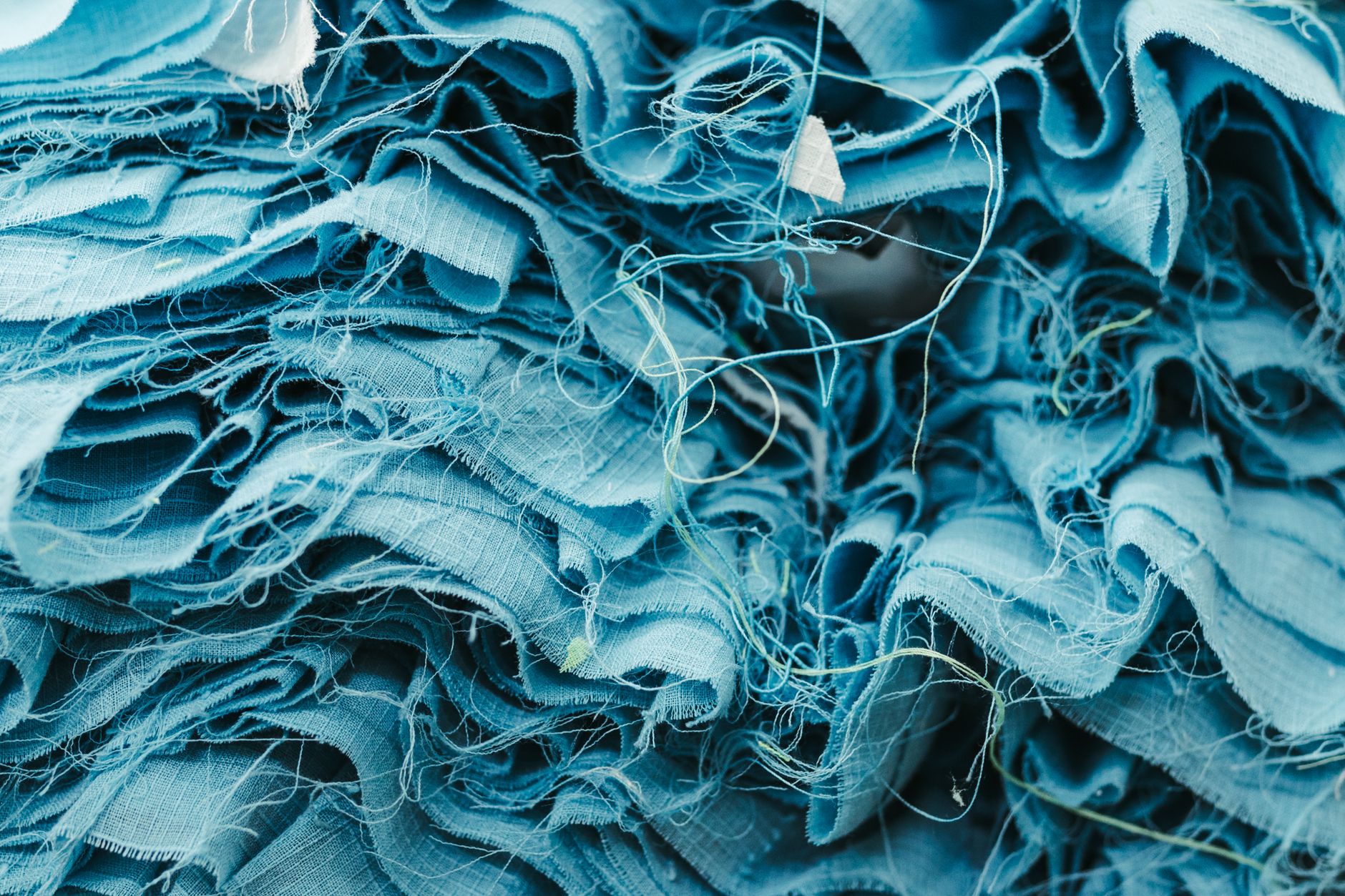
Vintage retail is having a serious moment in Australia. From the curated op-shop-style boutiques lining the laneways of Melbourne’s Fitzroy to the thriving second-hand scene on Brisbane’s West End, consumers are increasingly drawn to brands that celebrate sustainability, character, and conscious consumption. If you run or market a vintage store — or if you’re supporting one as part of a broader campaign — your promotional products need to walk the same walk as your brand. That’s exactly why upcycled fabric branded bags for vintage store promotions have emerged as one of the most on-trend, meaningful, and practical merchandise choices for 2026. They’re not just a bag. They’re a statement.
This guide covers everything you need to know about choosing, ordering, and decorating upcycled fabric bags to promote a vintage retail brand in Australia, whether you’re a small independent store or a multi-site chain running a major campaign.
What Are Upcycled Fabric Bags and Why Do They Matter?
Upcycled fabric bags are produced using materials that would otherwise be discarded — offcuts from garment manufacturing, deadstock fabric, repurposed denim, reclaimed canvas, or even deconstructed vintage textiles. Unlike standard recycled products, which break materials down to create new raw fibres, upcycling preserves the character and integrity of the original material. Each bag can be genuinely unique, carrying the texture, colour variation, and imperfections that vintage shoppers absolutely love.
This matters enormously for brand authenticity. Vintage consumers are savvy. They value provenance, story, and substance. Handing them a generic plasticky tote at the point of sale sends completely the wrong message. But a well-branded upcycled bag? That tells a story. It reinforces your positioning, gives customers something they’ll actually use, and extends your brand’s reach every time that bag is carried down a high street.
For a deeper look at how sustainable promotional products are reshaping brand strategy across Australia, our overview of recycled promotional products in Australia is a great starting point.
The Best Upcycled Fabric Materials for Branded Bags
Not all upcycled fabrics are created equal, and the material you choose will influence everything from the decoration method to the way your bag holds up over time. Here’s a breakdown of the most popular options for vintage store promotions.
Reclaimed Denim
Denim is one of the most widely upcycled materials in the world, and it carries an inherently vintage aesthetic. Reclaimed denim bags — typically made from offcuts or repurposed jeans — are sturdy, visually distinctive, and incredibly on-brand for vintage retailers. They respond well to embroidery, which adds a premium, handcrafted feel that aligns beautifully with vintage sensibilities. Minimum order quantities (MOQs) for upcycled denim bags tend to sit higher than standard products — expect MOQs of around 50 to 100 units — given the more labour-intensive sourcing process.
Deadstock Canvas and Cotton
Deadstock fabric is new fabric that was never used in its intended production run, often sold off cheaply by manufacturers to avoid waste. Canvas and cotton deadstock is widely available in Australia and can be sourced in a range of natural tones and patterns. Bags made from deadstock canvas offer a more consistent aesthetic than reclaimed denim, making them easier to brand at scale while still maintaining genuine sustainability credentials. These suit screen printing, heat transfer, and even subtle debossing for a more textural effect.
Repurposed Hessian and Jute
Hessian (burlap) and jute materials have a natural, earthy quality that resonates strongly with vintage and bohemian aesthetics. These are also some of the most cost-effective upcycled options, particularly for promotional purposes. Hessian bags can be screen printed or decorated with heat transfer for clean, clear branding, and they photograph beautifully for social media — a bonus for any marketing team thinking about content creation alongside their merchandise campaign.
Patchwork and Mixed Fabric
For vintage stores that want maximum character and a truly bespoke product, patchwork bags — made from multiple upcycled fabric sources stitched together — offer something genuinely unique. These take longer to produce and generally come with higher price points, but they are extraordinarily effective as hero promotional products or limited-edition collector items. If you’re running a major campaign or event, a patchwork bag could be your centrepiece.
Decoration Methods for Upcycled Fabric Bags
Choosing the right decoration method is crucial when working with upcycled materials. The irregular nature of some fabrics means that certain techniques work better than others.
Screen printing remains the most popular choice for canvas and cotton upcycled bags. It offers sharp, bold results and is cost-effective at volume. Just keep in mind that highly textured surfaces like hessian may require adjustments to artwork to ensure clean registration. Our guide on pad printing on custom t-shirts in Australia touches on some useful principles about working with texture and surface variation that apply here too.
Embroidery is the premium choice for denim and heavier canvas bags. It adds dimension, longevity, and a distinctly handcrafted quality. Bear in mind that embroidery works best with simpler logos — fine detail can be tricky to replicate in thread. For more on texture-based decoration techniques that complement upcycled aesthetics, take a look at our post on how to choose embossing for promotional products.
Heat transfer and sublimation can work well on smoother upcycled fabrics, though sublimation in particular performs best on lighter-coloured, higher-polyester fabrics. Our in-depth breakdown of how to choose dye sublimation for promotional products will help you assess whether this method suits your chosen material.
Laser engraving and debossing are less common on fabric bags, but relevant if you’re incorporating leather or faux-leather panels into a patchwork design — a growing trend in boutique promotional products.
Budgeting and MOQs: What to Expect in 2026
One of the most common questions we hear from marketing teams is: “How much should we budget for upcycled fabric branded bags?” The honest answer is that you’ll typically pay a premium over standard promotional bags — and that premium is entirely justified by the product’s story and sustainability value.
As a general guide for the Australian market in 2026:
- Basic upcycled canvas or hessian totes: $8–$18 per unit at volumes of 100+
- Reclaimed denim bags: $20–$40 per unit at volumes of 50+
- Bespoke patchwork bags: $45–$90+ per unit for smaller runs of 20–50 units
- Setup fees: Typically $50–$150 depending on decoration method and complexity
Turnaround times for upcycled bags are generally longer than standard promotional products — allow 3 to 6 weeks for most orders, and up to 8 to 10 weeks for fully bespoke patchwork designs. Always order samples before committing to a full production run, particularly when working with upcycled materials where fabric availability can vary.
For vintage stores planning around major retail events — think a Melbourne store running a campaign ahead of a weekend market, or a Sydney boutique preparing for a summer sale — factoring in adequate lead time is non-negotiable.
Campaign Ideas: How Vintage Stores Can Use Upcycled Branded Bags
Beyond the product itself, the how of using upcycled bags in your promotion makes a real difference. Here are some approaches that work particularly well in the vintage retail context.
Purchase-with-purchase. Offer a branded upcycled bag as a free gift with purchases over a certain threshold. This drives up average order value and creates a tangible incentive while reinforcing your brand values at the till.
Limited-edition collaboration bags. Partner with a local artist or textile maker in your city to create a co-branded, limited-edition patchwork bag. This is especially powerful for stores in cities like Adelaide or Hobart with thriving local maker communities.
Conference and market stall giveaways. If your vintage store attends markets or pop-up events, branded upcycled bags are a perfect conversation starter. Our overview of promotional giveaways for conferences in Australia has useful tips on how to make giveaways work harder as brand touchpoints.
Bundle with complementary products. Pair your upcycled bag with other sustainably produced branded items — think a branded notebook or a glass water bottle — to create a cohesive eco-conscious gift set that tells a complete brand story.
For inspiration on how other gift sets and complementary promotional products are being approached in the premium space, have a look at our guide to unique corporate gifts and premium corporate gifts in Brisbane.
Aligning Your Upcycled Bags with Your Overall Sustainability Story
A upcycled bag is most powerful when it’s part of a broader, authentic sustainability narrative — not a standalone gesture. Think about how your other branded touchpoints align. Are you using sustainable bamboo branded desk accessories in your store fitout? Are your receipts printed on recycled paper? Does your social media content highlight the provenance of your stock?
The more cohesive your sustainability story, the more meaningful every individual product becomes — including your promotional bags. Customers increasingly see through “greenwashing,” so authenticity and consistency across your brand are essential.
It’s also worth considering your seasonal campaigns. Upcycled bags are just as relevant for a winter promotion as a summer one — our guide to winter branded merchandise in Australia explores how to keep sustainable merchandise working year-round.
Conclusion: Key Takeaways for Ordering Upcycled Fabric Branded Bags
Upcycled fabric branded bags for vintage store promotions are far more than a trend — they’re a genuinely meaningful product choice that aligns promotional merchandise with the values your customers already hold. Here’s a summary of the key points to carry forward:
- Match the material to the aesthetic. Denim suits embroidery and premium positioning; canvas and hessian suit screen printing and broader campaign use. Choose the fabric that tells your brand’s story best.
- Plan ahead on lead times. Upcycled products require longer production windows — allow at least 4 to 6 weeks for standard orders and up to 10 weeks for bespoke pieces.
- Budget for the premium. Upcycled bags cost more than standard promotional totes, but the story, durability, and brand alignment they deliver make the investment worthwhile.
- Integrate bags into a broader campaign. A branded bag works best when it’s part of a cohesive promotional strategy, not a standalone item. Pair it with complementary sustainable products and a clear narrative.
- Prioritise authenticity. Vintage consumers are discerning. Only use upcycled bags if your brand genuinely walks the sustainability talk — the product will amplify your story, for better or worse.
Done right, an upcycled fabric bag isn’t just a promotional product — it’s a physical embodiment of everything a great vintage brand stands for.