
Custom T-Shirts in Brisbane: The Complete Ordering Guide for 2026
Everything Brisbane businesses, marketing teams & sports clubs need to know about ordering custom t-shirts — from printing methods to budgets.

Written by
Bianca Moretti
Buying Guides & Tips
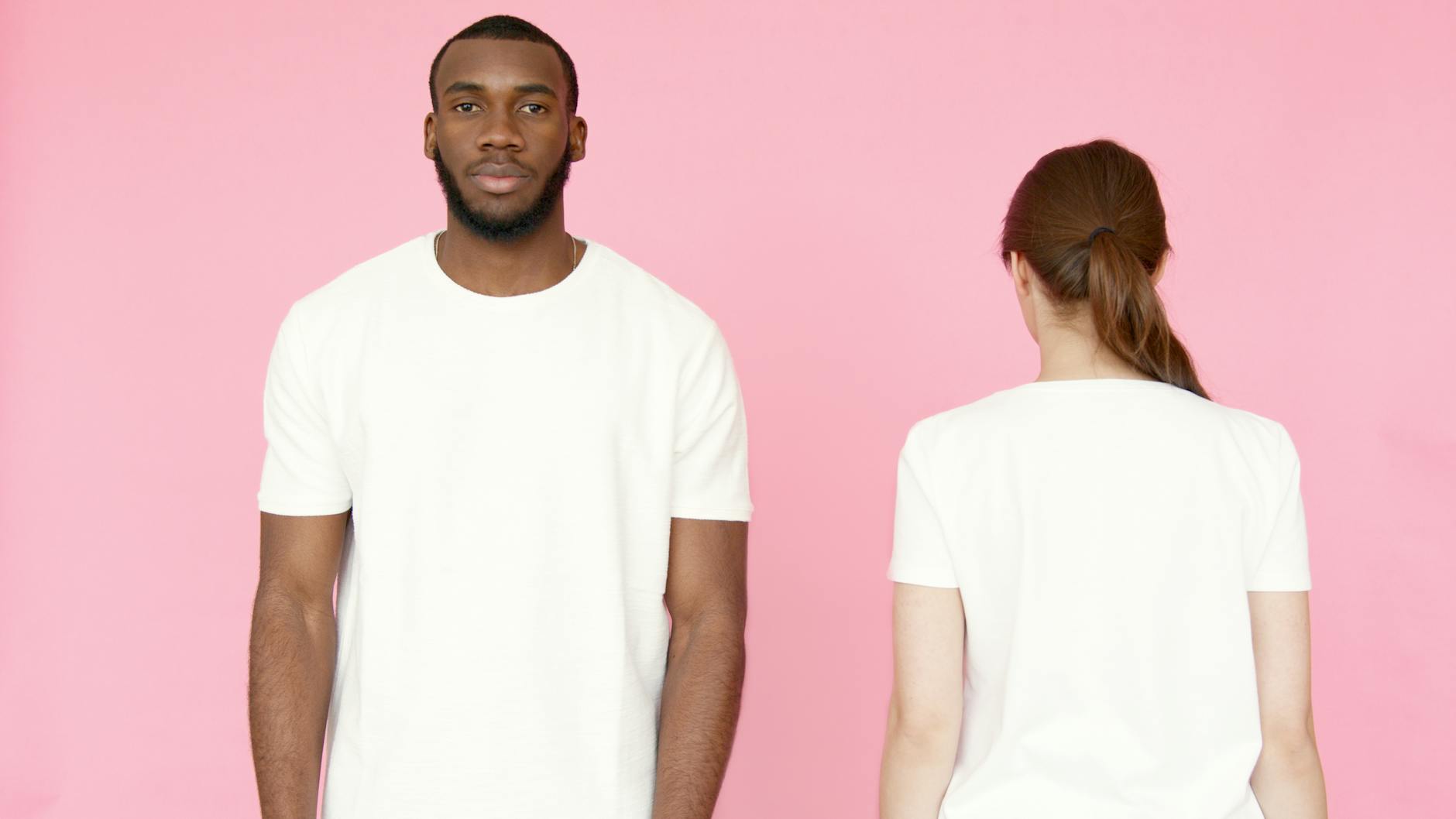
Whether you’re kitting out a footy club for the new season, preparing branded gear for a corporate event, or launching a staff uniform refresh, custom t-shirts in Brisbane are one of the most versatile and cost-effective merchandise investments you can make. Brisbane’s warm climate and outdoor-oriented culture make the humble t-shirt a year-round wardrobe staple — which means your branding gets worn, seen, and remembered long after the initial order lands. But navigating decoration methods, fabric choices, minimum order quantities, and turnaround times can feel overwhelming if you haven’t done it before. This guide cuts through the noise and gives you everything you need to place a confident, well-planned order.
Why Custom T-Shirts Remain One of Brisbane’s Most Popular Branded Products
There’s a reason custom t-shirts consistently sit at the top of the promotional merchandise wish list for Brisbane organisations. They’re wearable, practical, and incredibly effective at building brand visibility in a way that static advertising simply can’t replicate. A staff member wearing your branded tee at a Saturday market, a school fundraising fair, or a Southbank event is essentially a walking billboard — and one that generates genuine goodwill rather than annoyance.
For sports clubs from the Sunshine Coast down to the Gold Coast corridor, t-shirts serve as training gear, event day uniforms, and merchandise for supporters. Marketing teams use them as conference giveaways, employee onboarding packs, and trade show swag. Small businesses in Brisbane’s booming inner suburbs — Fortitude Valley, West End, New Farm — are increasingly using branded tees as part of a broader merch strategy that builds community and brand identity simultaneously.
Beyond visibility, the economics are compelling. Unlike many promotional items, a quality t-shirt has genuine perceived value. Recipients keep and wear them, which means your cost-per-impression is extraordinarily low over time. And when you order at scale, the unit cost drops significantly — making custom t-shirts one of the smartest budget decisions a marketing team can make.
Understanding T-Shirt Decoration Methods: Choosing the Right Technique
Not all custom t-shirts are printed the same way, and the decoration method you choose will affect the look, feel, durability, and ultimately the cost of your finished product. Getting this decision right from the start saves time, money, and disappointment.
Screen Printing
Screen printing is the industry workhorse — and for good reason. It delivers vibrant, durable prints that stand up to repeated washing, making it ideal for orders where longevity matters. It works best for designs with solid colours and clean lines, and becomes incredibly cost-effective at higher quantities. If you’re ordering 50 or more t-shirts with a consistent design, screen printing is almost always the recommended path.
The key consideration is setup. Each colour in your design requires a separate screen, which means setup fees apply per colour. For a Brisbane sporting club ordering 200 training shirts with a two-colour club logo, those setup costs are easily absorbed across the run. For a smaller run of 20 shirts with a five-colour design, the economics look very different. If you’d like to explore how screen printing compares to other methods, our guide to shirt decoration and printing options is a great starting point.
Embroidery
Embroidery gives custom t-shirts a premium, professional finish that works particularly well on polo-style t-shirts and corporate garments. The design is stitched directly into the fabric rather than printed on top, which gives it an elevated, tactile quality that clients and customers notice. It’s the preferred decoration method for real estate teams, professional services firms, and anyone wanting their branded apparel to look polished and boardroom-ready.
Embroidery isn’t ideal for highly detailed or photographic designs — it suits logos, wordmarks, and simple motifs. Minimum order quantities tend to be lower for embroidery than screen printing, making it accessible even for smaller team orders. For branded polos specifically, take a look at our guide to custom work shirt polos for practical guidance on fabric and fit choices.
Heat Transfer and DTG (Direct-to-Garment) Printing
Heat transfer and direct-to-garment (DTG) printing have revolutionised small-run custom t-shirts in Brisbane. DTG allows full-colour, photographic-quality designs to be printed directly onto fabric with no screens required — meaning there are no setup fees and no minimum order quantity restrictions. This makes it perfect for limited-edition drops, personalised shirts, or situations where you need just five to fifteen shirts for a specific campaign or event.
The trade-off is per-unit cost. DTG printing costs more per shirt than screen printing at equivalent quantities, and it works best on 100% cotton or high-cotton-content fabrics. For high-volume orders, screen printing will always win on price.
Sublimation
Sublimation produces stunning, all-over designs with colours that become part of the fabric itself rather than sitting on top. It’s popular for sports uniforms and performance wear where bold visual impact is the goal. The key requirement is that sublimation works exclusively on polyester or polyester-blend garments — it won’t bond correctly with cotton. Our overview of sublimation services for promotional products covers the process in detail if you’re considering this route.
Planning Your Custom T-Shirt Order: A Step-by-Step Approach
Step 1: Lock In Your Brief Before Contacting a Supplier
Before you speak to a single supplier, get clear on the following: How many shirts do you need? What sizes? Are there multiple designs or colourways? What’s your hard deadline? What’s your budget per unit and total? The more clearly you can articulate your brief, the faster and more accurately a supplier can quote you.
Step 2: Prepare Artwork to the Right Specifications
Artwork quality is one of the most common causes of delays. Suppliers will ask for vector files (typically .ai or .eps formats) for screen printing and embroidery. These files are resolution-independent, meaning your logo won’t pixelate when scaled up to chest-print size. If you only have a JPEG or PNG of your logo, it may need to be redrawn — factor in time and potentially cost for this.
PMS (Pantone Matching System) colour references are also important if brand colour accuracy is critical. Simply describing a colour as “our blue” won’t reliably match across different batches and suppliers.
Step 3: Understand MOQs and Plan Accordingly
Minimum order quantities vary by decoration method and supplier. Screen printing typically requires a minimum of 20–50 shirts per design, though some Brisbane suppliers will go lower for an additional fee. Embroidery MOQs can be as low as six to twelve pieces. DTG and heat transfer often have no minimums.
If your order is small, it’s worth bundling different garment types — for example, ordering custom t-shirts alongside custom work shirts or even zip-up hoodies — to reach a better pricing tier across the combined order.
Step 4: Factor in Realistic Turnaround Times
Standard production turnarounds for screen-printed t-shirts sit at around ten to fifteen business days once artwork and payment are confirmed. Rush orders are available but typically attract a premium. If your order is for a specific event — a charity fun run, a product launch, a trade expo — always count back from your event date and add buffer time for any artwork revisions or unexpected delays.
For organisations planning winter branded merchandise or seasonal drops, ordering well ahead of the season is especially critical, as supplier capacity can tighten during peak periods.
Budget Considerations for Brisbane Organisations
Pricing for custom t-shirts in Brisbane varies widely based on garment quality, decoration method, order volume, and number of print locations. As a rough guide:
- Budget blank garments with single-colour screen print: $8–$14 per unit at 100+ pieces
- Mid-range garments with two-colour print: $15–$22 per unit at 50+ pieces
- Premium garments with embroidery: $25–$45 per unit depending on stitch count and quantity
- Small-run DTG printing: $25–$50+ per unit for under 20 pieces
Keep in mind that setup fees, freight to your Brisbane location, and any artwork preparation costs are often quoted separately. Always ask for a fully landed price before approving an order.
If you’re a not-for-profit or sporting club managing a tight budget, it’s worth exploring whether a simple tote bag or other lower-cost item could complement your t-shirt order — our guide to reusable shopper bags highlights some excellent budget-friendly options that work brilliantly alongside apparel at community events.
Making Your Custom T-Shirts Part of a Broader Merchandise Strategy
Custom t-shirts rarely exist in isolation. The savviest Brisbane marketing teams use them as the anchor piece in a broader merchandise kit. Pair a branded tee with a reusable branded coffee cup, a quality stainless steel water bottle, or a branded tote bag and you’ve got a genuinely impressive welcome pack or event giveaway that recipients will actually use.
For corporate clients wanting to go beyond the basics, combining t-shirts with unique corporate gift items or sustainable bamboo desk accessories creates a premium brand impression. Sustainability-conscious organisations should also consider pairing their apparel orders with recycled promotional products to align with their environmental values.
Sporting clubs might consider adding varsity jackets to their range for a premium merchandise tier that supporters and players alike will treasure.
Conclusion: Key Takeaways for Ordering Custom T-Shirts in Brisbane
Getting your custom t-shirt order right the first time comes down to preparation, clarity, and choosing the right decoration method for your specific needs. Brisbane businesses, clubs, and marketing teams that invest a little time in planning upfront almost always end up with better results, fewer revisions, and lower overall costs.
Here are the key things to remember:
- Match your decoration method to your brief — screen printing for volume, DTG for small runs, embroidery for premium finishes, and sublimation for performance wear
- Prepare artwork in the correct file format (vector files with PMS colour references) before approaching suppliers — this single step can save days of back-and-forth
- Build in realistic lead times — ten to fifteen business days is standard; always add buffer for event deadlines
- Get a fully landed price that includes setup fees, freight, and any artwork charges before approving your order
- Think beyond the t-shirt — custom t-shirts in Brisbane work hardest when they’re part of a broader, well-planned merchandise strategy that reflects your brand’s values and goals