
How to Choose the Right Promotional Item Companies for Your Australian Business
Discover how to evaluate promotional item companies in Australia and find the right partner for your branded merchandise needs in 2026.

Written by
Grant Ellison
Corporate Gifts
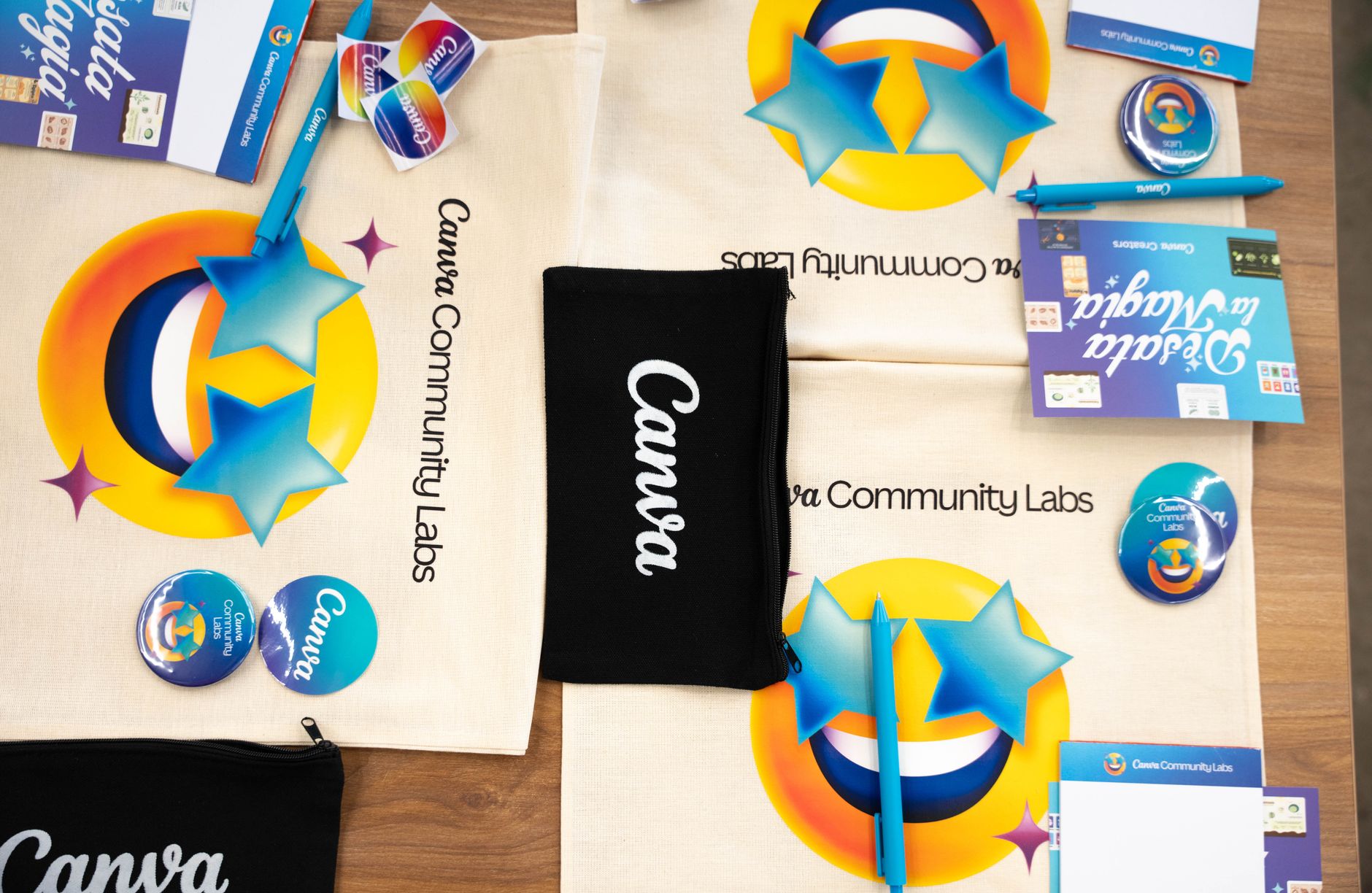
Choosing the right promotional item companies for your business is one of those decisions that looks straightforward on the surface — until you’re knee-deep in supplier quotes, artwork files, and conflicting turnaround times. Whether you’re a Sydney marketing manager preparing for a major product launch, a Brisbane sporting club sourcing end-of-season gear, or a Melbourne-based not-for-profit putting together event giveaways, the supplier you choose will directly impact the quality, consistency, and effectiveness of your branded merchandise. Get it right, and your promotional products become genuine brand assets. Get it wrong, and you’re stuck with a warehouse full of misprinted mugs nobody wants.
This guide walks you through everything you need to know about finding, evaluating, and working with promotional item companies in Australia — so you can make confident, informed decisions every time.
What Do Promotional Item Companies Actually Do?
Before diving into how to choose one, it helps to understand the full scope of what a promotional merchandise supplier actually provides. Most established promotional item companies offer far more than just “putting your logo on stuff.”
A good supplier will help you with:
- Product sourcing and selection — recommending the right products for your audience, event type, and budget
- Artwork guidance and preparation — advising on file formats, colour matching (including PMS matching), and decoration-method suitability
- Decoration services — such as screen printing, embroidery, sublimation, laser engraving, pad printing, heat transfer, and digital printing
- Sampling — providing pre-production samples so you can approve quality before committing to a full run
- Proof approvals — sending digital or physical proofs for sign-off prior to production
- Fulfilment and delivery — managing logistics, whether that’s a single delivery to your Perth office or a multi-location drop across Australia
Some companies specialise in specific product categories — custom apparel, eco-friendly merchandise, or corporate gifting, for example. Others offer a broad catalogue that spans everything from branded glass water bottles to sustainable bamboo desk accessories. Understanding the scope of a supplier’s offering helps you decide whether you need a specialist or a full-service partner.
Key Factors to Evaluate When Comparing Promotional Item Companies
Product Range and Specialisation
Not all promotional item companies are created equal. Some carry an enormous range of stock — think thousands of SKUs across apparel, drinkware, bags, tech, stationery, and more. Others focus on niche categories and do them exceptionally well.
If your business has specific, recurring needs — say, hi-vis workwear for a construction company, or premium corporate gifts for a financial services firm — a specialist supplier who knows that category inside out may serve you better than a generalist. Conversely, if you’re running a large conference and need everything from custom conference giveaways to branded tablet stands, a full-service supplier with a diverse catalogue will save you time and reduce the number of suppliers you’re managing.
Decoration Capabilities
The decoration method used on your products affects quality, longevity, and cost. Ask any supplier you’re considering about their in-house capabilities versus outsourced decoration. In-house printing and embroidery typically offers better quality control and faster turnaround times.
Common decoration methods include:
- Screen printing — ideal for bold, high-contrast designs on t-shirts and tote bags in larger runs
- Embroidery — classic and durable, suits polos, caps, and workwear; check out our guide to choosing the right polo brand for decoration considerations
- Sublimation — perfect for all-over prints and full-colour designs; sublimation services in Perth are a good reference point for what’s possible
- Laser engraving — premium finish on metal, wood, and glass items; excellent for engraved pens for sales achievement awards
- Pad printing — versatile for smaller items and promotional giveaways; learn more about pad printing on custom t-shirts
Always confirm which method is recommended for your specific product — and ask to see previous examples of that decoration method on similar items.
Minimum Order Quantities (MOQs)
MOQs vary enormously across promotional item companies. Some suppliers have MOQs as low as 10–25 units for certain products, making them suitable for small businesses or targeted gifting campaigns. Others require minimum runs of 100, 250, or even 500 units before they’ll take an order.
For a Canberra government department ordering branded notebooks for a team of 30, a low-MOQ supplier is essential. For a Gold Coast resort ordering 500 branded beach bags for their summer season, higher MOQs aren’t an issue. Always clarify MOQs upfront — and factor in whether setup fees apply at lower quantities.
Turnaround Times
Turnaround is where many businesses get caught out. Standard production times for most promotional items range from 7 to 15 business days after proof approval, but this varies significantly based on the product, decoration method, stock availability, and the supplier’s current workload.
If you’re working to a hard deadline — a conference in three weeks, an AFL grand final function, or a product launch event — make sure your supplier can genuinely commit to your timeline. Ask about rush production options and whether express freight is available to your location, whether that’s Darwin, Hobart, or central Adelaide.
Quality Assurance and Sampling
Any reputable promotional merchandise company should offer a sampling process. Pre-production samples allow you to check product quality, decoration accuracy, and colour fidelity before committing to a full run.
Some suppliers offer free samples of blank stock. Others charge for branded samples but credit the cost against your final order. This is a worthwhile investment — particularly for larger orders or premium gifting scenarios where quality matters enormously.
Understanding Pricing: What Drives the Cost of Promotional Merchandise?
Pricing in the promotional products industry can seem opaque at first. Here’s what actually drives the cost:
- Product base cost — determined by the item itself (a branded USB drive costs more than a branded pen)
- Decoration complexity — more colours, more print locations, and specialist techniques like embossed or debossed finishes on notebooks add cost
- Order quantity — bulk pricing tiers mean the per-unit cost drops significantly as volume increases
- Setup fees — most screen printing and embroidery setups incur a one-off fee, usually $30–$80 per colour/position
- Turnaround — rush orders often attract a surcharge of 20–30%
- Freight — factor in delivery costs, particularly for heavy items like promotional drinkware shipped across multiple locations
A good promotional merchandise partner will be transparent about all of these costs upfront — including freight — so there are no surprises when your invoice arrives.
Green Credentials: Why Sustainability Matters When Choosing Suppliers
In 2026, sustainability is no longer a “nice to have” for most Australian organisations — it’s a genuine expectation from staff, clients, and stakeholders. When evaluating promotional item companies, it’s worth asking about their eco-friendly product range and sustainable sourcing practices.
Look for suppliers who offer:
- Products made from recycled or upcycled materials, such as recycled promotional products or upcycled fabric branded bags
- Bamboo and sustainably sourced natural materials
- PVC-free and BPA-free options for drinkware and tech accessories
- Carbon-neutral or offset delivery options
For organisations in sectors like government, education, or healthcare, demonstrable sustainability credentials can also satisfy procurement requirements and ESG reporting obligations.
Red Flags to Watch Out For
Not every promotional item company will be a good fit. Here are some warning signs to take seriously:
- No physical samples available — reputable suppliers will always be able to show you product quality before you commit
- Vague turnaround guarantees — “approximately 2–3 weeks” isn’t a commitment; push for confirmed production and delivery dates
- Unusually low prices on premium items — this often signals lower quality materials, inaccurate colour reproduction, or poor decoration quality
- Poor communication or slow response times — if they’re slow before you’ve placed an order, it won’t improve once they have your money
- No proof approval process — any order involving custom branding should include a formal proof approval step before production begins
Building a Long-Term Partnership with Promotional Item Companies
The most efficient and cost-effective approach to branded merchandise is building a genuine, ongoing relationship with one or two trusted promotional item companies rather than shopping around for every single order. A supplier who knows your brand guidelines, your preferred decoration methods, and your typical order volumes will consistently deliver better results with less back-and-forth.
This is particularly valuable for businesses with seasonal merchandise needs — think winter branded merchandise campaigns or summer beach promotions involving items like beach towels in Perth and beach bags.
Once a supplier understands your brand, they can also proactively suggest unique corporate gift ideas and emerging product trends that suit your specific audience — from premium corporate gifts in Brisbane for client entertainment to more niche ideas like branded plant pots for hotel room amenities or custom toiletries bags for hospitality clients.
Conclusion: What to Look for in Promotional Item Companies
Finding the right promotional merchandise partner takes a little time upfront, but it pays dividends across every campaign you run. Here’s a summary of the key takeaways to help you make the right call:
- Evaluate product range and specialisation — make sure the supplier can genuinely service your category needs, not just list them in a catalogue
- Confirm decoration capabilities and ask for examples — never assume quality; always request samples or proofs before committing
- Understand MOQs, setup fees, and freight costs upfront — transparent pricing is a hallmark of a trustworthy supplier
- Ask about sustainability credentials — eco-friendly options are increasingly expected and often available at comparable price points
- Prioritise communication and reliability — the best promotional item companies are genuine partners who invest in understanding your brand and delivering consistently
- Build long-term relationships — loyalty to a trusted supplier typically results in better pricing, faster turnaround, and higher-quality outcomes over time
The promotional merchandise landscape in Australia has never been more sophisticated — and with the right supplier by your side, your branded products will do exactly what they’re supposed to: build recognition, reward loyalty, and leave a lasting impression.