
The Complete Guide to Conference Merchandise That Delegates Actually Keep
Discover how to choose, order, and brand conference merchandise that makes a lasting impression at your next Australian event.

Written by
Yuna Park
Event Merchandise
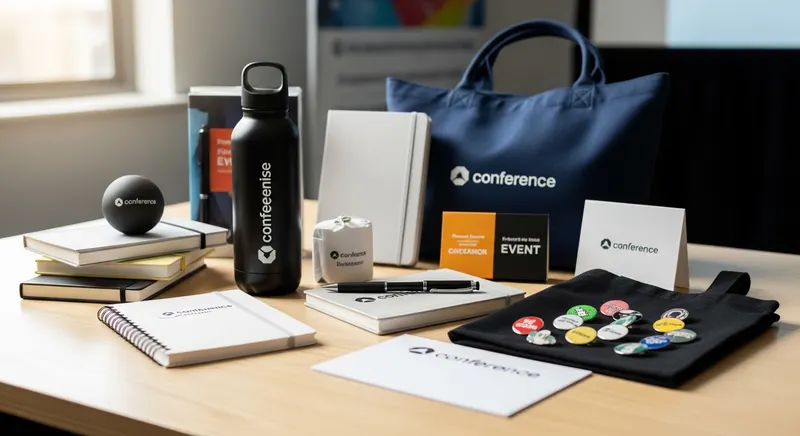
Every conference organiser knows the feeling. You’ve spent months planning the agenda, booking speakers, sorting the catering — and then someone asks, “What are we giving delegates in their bags?” Conference merchandise is far more than a nice-to-have. Done right, it reinforces your brand long after the event wraps up, gives attendees something tangible to remember the experience by, and can even influence how your organisation is perceived in the room. Done poorly, it ends up in a bin by the hotel lobby. This guide is here to help you land firmly in the first camp.
Why Conference Merchandise Still Matters in 2026
In an era of digital everything, you might wonder whether physical branded products still carry their weight at events. The short answer is yes — arguably more than ever. When delegates are surrounded by screens and digital noise, a well-chosen physical item cuts through in a way that a PDF or an email simply cannot.
Conference merchandise serves several strategic purposes simultaneously. It reinforces brand recognition every time the item is used. It creates a shared sense of belonging among attendees. And perhaps most importantly, it extends the life of your conference beyond the event itself. A quality branded water bottle used daily in a Sydney office or a Perth co-working space keeps your logo front and centre for months.
The key distinction between merchandise that works and merchandise that doesn’t comes down to usefulness and quality. Delegates are discerning. They travel to events with already-full suitcases and they’re making instant decisions about what comes home with them. Your job is to give them something worth keeping.
Planning Your Conference Merchandise Strategy
Before you think about specific products, it’s worth stepping back and asking a few foundational questions. Who are your delegates? What does your brand stand for? What’s the primary message you want attendees to leave with? And of course — what’s your budget?
Understanding Your Delegate Profile
A tech conference in Melbourne attracting software engineers will respond differently to merchandise than a national healthcare summit in Adelaide or an education sector forum in Canberra. Your audience informs everything from product choice to decoration method to the overall tone of the presentation.
Consider factors like:
- Demographics and profession — Are attendees corporate executives, tradespeople, educators, or a mixed crowd?
- Travel arrangements — Are most delegates flying in? If so, heavy or bulky items may be left behind.
- Event duration — A two-day conference warrants a different merchandise investment than a one-hour breakfast briefing.
- Your sustainability commitments — Many organisations in 2026 are actively expected to avoid single-use plastics and wasteful merchandise.
Setting a Realistic Merchandise Budget
Budget planning for conference merchandise typically works in one of two ways: a per-head allocation or a total spend cap. Most mid-size Australian conferences budget somewhere between $15 and $50 per delegate for merchandise, depending on the event tier and sponsor involvement.
It’s worth noting that bulk pricing works in your favour here. Ordering 250 branded tote bags costs significantly less per unit than ordering 50. If you know your delegate numbers early, locking in quantities sooner generally means better pricing and more lead time for production — which takes pressure off your decoration and fulfilment timeline.
Don’t overlook setup fees when budgeting. Screen printing, embroidery, and other decoration methods often carry one-off setup charges per colour or position. These are absorbed more efficiently across higher quantities, which is another reason to consolidate your order rather than splitting items across multiple small runs.
Choosing the Right Conference Merchandise Products
With a clear picture of your audience and budget, you can start selecting products that genuinely earn their place in a delegate bag. Below are the categories that consistently perform well at Australian conferences.
Drinkware: The Perennial Conference Favourite
Branded drinkware remains one of the most reliable conference merchandise categories, and for good reason. People use drink vessels every single day. A quality stainless steel water bottle with your event branding is one of the highest-ROI items you can include — it’s practical, perceived as premium, and travels well.
For conferences with a morning or afternoon tea programme, branded keep cups or reusable mugs are particularly well-received. They align with sustainability messaging and give delegates a useful item they’ll genuinely reach for on Monday morning back in the office. If you’re exploring more artisan or eco-conscious options, glass water bottles and glass water flasks are increasingly popular at professional events where quality signals matter.
Bags: Practical, High-Visibility Merchandise
A conference bag doubles as both a merchandise item and a logistics tool — it carries everything else you’re distributing. Tote bags remain a staple, and with so many fabric, size, and finish options available, there’s no reason to default to the cheapest option.
If your event has a sustainability focus, consider bags made from recycled or upcycled materials. Our guide to upcycled fabric branded bags covers some of the more interesting sustainable options now available in Australia. A structured zippered tote also adds a premium feel that open-top bags simply don’t match — delegates can use it confidently as a day bag long after the event.
Apparel: When It Works and When It Doesn’t
Branded apparel at conferences can be tricky. Clothing requires size ordering, which adds complexity and usually means you’ll over-order some sizes and under-order others. That said, it’s still one of the most visible and lasting merchandise categories available.
T-shirts and polos work particularly well when all delegates are wearing them simultaneously — think pre-conference workshops, industry field days, or team-building activities. If your event has staff or volunteers who need to be identifiable, a quality custom polo shirt or custom work shirt is ideal. For conferences running into cooler months — particularly in Melbourne, Hobart, or the ACT — consider zip-up hoodies or winter branded merchandise to add real perceived value to your delegate pack.
Stationery and Tech: The Practical Staples
Branded notebooks and pens remain conference staples because they’re used immediately — delegates open them in sessions to take notes. Opt for quality here. A well-made notebook with a smooth-writing pen feels considered; a flimsy notepad with a budget pen feels like an afterthought.
Tech accessories have become increasingly popular at conferences where attendees are device-dependent. Branded power banks, USB hubs, and phone accessories are genuinely appreciated — particularly at multi-day events in Brisbane, Sydney, or the Gold Coast where delegates are running between sessions and networking functions and their devices are running low.
Unique and Premium Gift Options
If your conference includes a VIP dinner, speaker gifts, or sponsor recognition, you’ll want something a step above the standard delegate pack. Our guide to unique corporate gifts is a great starting point for ideas that go beyond the expected. Sustainable bamboo desk accessories are particularly well-received as corporate acknowledgements — they’re premium, eco-friendly, and have lasting desk presence.
Decoration Methods for Conference Merchandise
Choosing the right decoration method is just as important as choosing the right product. The wrong method for a given item can result in poor print quality, premature wear, or a finish that undersells your brand.
- Screen printing is ideal for high-volume apparel orders and tote bags. It’s cost-effective at scale and produces vibrant, durable results. Check out our shirt and printing guide for a deeper look at how this method works.
- Embroidery suits structured apparel like polos, caps, and jackets. It conveys a professional, premium finish that’s difficult to replicate with print.
- Laser engraving is perfect for drinkware, tech accessories, and metal or timber products. It creates a sophisticated, tactile result with no ink or colour fading.
- Sublimation is excellent for full-colour, all-over designs on polyester apparel and certain hard goods. If you’re in Western Australia, our overview of sublimation services in Perth covers what’s available locally.
- Pad printing works well for small, flat surfaces like pens, lanyards, and compact accessories.
Ordering Timeline and Practical Considerations
Timing is everything with conference merchandise. As a general rule, allow at least four to six weeks from artwork approval to delivery for most standard orders. Complex items, custom colours, or large quantities may require eight to ten weeks.
Key milestones to plan around:
- Delegate count confirmation — Don’t order until you have a reliable headcount, but don’t wait too long either.
- Artwork finalisation — Logos need to be supplied in high-resolution vector format for most decoration methods.
- Sample approval — For large or premium orders, always request a physical sample before committing to full production.
- Delivery logistics — Factor in whether merchandise is going to a venue, a warehouse, or multiple locations across different states.
If your conference is regional — say, in Townsville or North Queensland — it’s worth exploring local and regional suppliers. Our piece on Townsville custom merchandise for North Queensland offers some useful context for organisers outside the major capital cities.
Conclusion: Key Takeaways for Smarter Conference Merchandise
Getting conference merchandise right is a blend of strategic thinking, practical planning, and a genuine understanding of your audience. When all those elements come together, your branded products stop being just giveaways and start becoming meaningful touchpoints that extend your event’s impact.
Here are the essential takeaways to carry into your next conference planning cycle:
- Prioritise usefulness over novelty — Delegates keep items they use. Focus your budget on products with everyday utility rather than gimmicky one-time items.
- Match your merchandise to your audience — A mid-level corporate conference in Sydney has different expectations than a grassroots industry association event in Darwin. Tailor accordingly.
- Plan your timeline early — Six to eight weeks of lead time is the minimum for most quality conference merchandise orders. Build this into your event planning schedule from day one.
- Think about sustainability — In 2026, delegates notice and appreciate eco-conscious choices. Avoid single-use plastics and opt for reusable, durable items wherever your budget allows.
- Invest in decoration quality — Your logo on a premium item with a sharp, durable print communicates professionalism. Your logo on a cheap item with a faded print communicates the opposite.
With the right approach, conference merchandise becomes one of the most cost-effective marketing tools in your events programme — a physical reminder of your brand that travels home with every single delegate.