
Promotional Grocery Bags: The Smart Branded Merchandise Choice for Australian Businesses
Discover how promotional grocery bags can boost brand visibility, reduce costs, and align your business with sustainability goals in 2026.

Written by
Issac Oteng
Bags & Totes
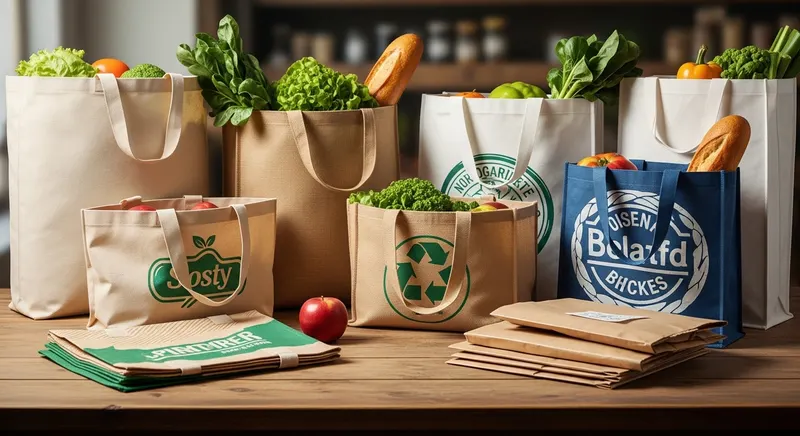
Every time a customer carries your branded bag through a supermarket aisle, a farmers’ market, or a local shopping strip, your logo is doing the hard work of marketing for you — completely free of charge. Promotional grocery bags have quietly become one of the most cost-effective and high-visibility branded merchandise items available to Australian businesses, sports clubs, and marketing teams. With single-use plastic bag bans now firmly in place across all states and territories, reusable shopping bags have shifted from a novelty item to an everyday essential. That shift represents a genuine opportunity for brands willing to put their logo in people’s hands in a practical, meaningful way.
Why Promotional Grocery Bags Make Sense for Australian Brands
The promotional products landscape is crowded. Businesses are competing for attention using everything from branded pens to custom apparel, and the challenge is always the same: how do you choose something people will actually use? Grocery bags solve that problem almost effortlessly.
Australians shop for groceries multiple times per week. A well-made reusable bag that earns a place in someone’s car boot or kitchen drawer will see regular use for months, even years. That’s repeated brand impressions without any additional spend. Compare that to a flyer that gets binned within minutes, and the value proposition becomes obvious.
For marketing teams working with finite budgets, this kind of passive, ongoing exposure is exactly what you’re looking for. Sports clubs distributing bags at community events, real estate agencies handing them out at open homes, retailers giving them away with purchases — there are countless natural touchpoints where a promotional grocery bag fits without feeling forced.
The Role of Plastic Bag Bans in Driving Demand
State and territory governments across Australia — from Queensland to Western Australia, Victoria to the ACT — have introduced bans on lightweight single-use plastic bags. This legislative shift created an immediate, ongoing need for reusable alternatives. Businesses that provide quality branded bags tap directly into that need.
When a Perth-based health food store provides a sturdy, well-branded reusable bag at point of sale, they’re not just promoting themselves — they’re solving a real problem for the customer. That positive association builds brand affinity in a way that most other promotional items simply can’t replicate.
Choosing the Right Style of Promotional Grocery Bag
Not all promotional grocery bags are created equal, and the right choice depends heavily on your audience, your budget, and how you intend to distribute them. Here’s a breakdown of the main options available to Australian businesses and organisations.
Non-Woven Polypropylene Bags
These are the workhorses of the promotional bag world. Lightweight, affordable, and easy to produce in large volumes, non-woven PP bags are ideal for trade shows, expos, conferences, and community events. They’re the go-to option when you need a high quantity at a lower price point — think minimum order quantities (MOQs) starting around 100–200 units, with unit costs dropping significantly as volume increases.
The decoration method of choice for these bags is typically screen printing, which delivers clean, vibrant results on flat surfaces. You can achieve excellent colour accuracy, which matters when you’re working with specific brand guidelines and need PMS colour matching.
Cotton and Canvas Tote Bags
Cotton and canvas bags sit at a premium end of the grocery bag spectrum, and for good reason. They’re durable, washable, visually appealing, and carry strong eco-friendly credentials. For brands wanting to align with sustainability values, a quality cotton tote sends a clear message.
These work brilliantly for boutique retailers, organic grocers, health brands, and businesses targeting conscious consumers. They’re also popular for tote bags designed for beach outings and other leisure activities, which only extends their reach and your brand’s visibility. Decoration options include screen printing, embroidery, heat transfer, and sublimation — giving you flexibility to match your artwork style.
Insulated Cooler Bags
For food-related businesses, meal kit services, or sports clubs running fundraisers, insulated promotional grocery bags offer a practical premium option. These bags keep perishables cold, making them genuinely useful for the weekly shop. Recipients tend to hold onto them longer and use them more consistently.
An Adelaide-based grocery delivery brand, for example, could include a branded insulated bag with first orders — turning a functional item into a memorable brand touchpoint. If you’re exploring unique corporate gifts that stand out from the usual desk accessories, an insulated cooler bag is well worth considering.
Recycled and Upcycled Fabric Bags
With sustainability a growing priority for Australian consumers and businesses alike, recycled and upcycled material bags are rapidly gaining traction. These bags are made from post-consumer plastic bottles, recycled cotton, or repurposed fabrics — and they carry an authentic sustainability story that resonates with environmentally conscious audiences.
For businesses leaning into their green credentials, these bags work in tandem with other eco-focused merchandise. If you’re already exploring sustainable bamboo branded desk accessories or upcycled fabric branded bags for vintage-style promotions, adding a recycled grocery bag to your merchandise mix creates a consistent, values-driven brand narrative.
Decoration Methods: Getting Your Logo Right
The way your logo is applied to a promotional grocery bag matters almost as much as the bag itself. A poorly printed logo on a cheap bag can actually do more harm than good, while a crisp, well-executed design on quality material elevates your brand.
Screen printing is the most common method for flat-surface bags in single or limited colours. It’s cost-effective at scale and produces consistent results across large runs.
Embroidery works beautifully on thicker canvas and cotton bags, giving a premium, tactile finish that feels higher-end. It’s a great fit for corporate gifting contexts.
Digital printing allows for full-colour, photographic-quality designs with no setup fees per colour — ideal for smaller runs or complex artwork.
Sublimation enables all-over print coverage and is worth exploring for standout designs. For more on this approach, take a look at how sublimation services work for promotional products in Perth.
When briefing your supplier, always provide vector artwork files and confirm colour specifications upfront. This avoids costly reprints and ensures your brand looks its best.
Practical Ordering Tips for Marketing Teams and Businesses
If you’re new to ordering promotional grocery bags, a few practical considerations will help your project run smoothly.
Start with your distribution strategy. Are you handing bags out at a one-off event, including them in a seasonal promotion, or planning an ongoing give-away campaign? Your distribution plan should drive your quantity decision and your budget.
Request samples before committing. Even when ordering at a high volume, always ask for a physical sample of the bag style and decoration method. What looks good on screen can differ significantly from the finished product.
Factor in turnaround times. Standard production timelines for promotional grocery bags are typically two to four weeks after artwork approval. If you’re running to a deadline — say, a Melbourne expo or a Brisbane product launch — build in buffer time and communicate your event date clearly with your supplier.
Consider including complementary items. Grocery bags pair naturally with other branded essentials. A well-rounded promotional kit might include a glass water bottle or water flask alongside the bag — giving recipients a cohesive set of useful, everyday branded items.
Bundle with seasonal campaigns. Promotional grocery bags are a natural fit for seasonal gifting periods. If you’re planning your end-of-year activity, consider how bags might complement Christmas personalised merchandise or tie into a broader winter branded merchandise campaign.
Promotional Grocery Bags for Sports Clubs
Sports clubs across Australia have found real success with promotional grocery bags as a fundraising and community engagement tool. Whether it’s a Gold Coast football club, a Hobart netball association, or a Darwin community sporting group, a well-branded bag sold at the canteen or at registration drives club revenue while putting the logo in front of new audiences every time it’s used at the shops.
Clubs can further extend their merchandise range by pairing grocery bags with items like custom zip-up hoodies, work shirts, polo shirts, or varsity jackets — creating a cohesive branded range that appeals to members and supporters alike. For clubs in regional Queensland, the team at Townsville custom merchandise specialists can support localised production needs.
Budgeting for Promotional Grocery Bags
Pricing varies significantly depending on material, bag size, print complexity, and order quantity. As a general guide:
- Non-woven PP bags — typically $1.50–$4.00 per unit at mid-range volumes (500–1,000 units)
- Cotton canvas totes — typically $4.00–$10.00 per unit depending on weight and size
- Insulated cooler bags — typically $8.00–$20.00 per unit
- Recycled/eco bags — typically $5.00–$12.00 per unit
Setup fees for screen printing typically range from $50–$150 per colour per position, though many suppliers waive or reduce these for larger orders. Always ask for an itemised quote so you can compare like-for-like.
Conclusion: Key Takeaways for Buying Promotional Grocery Bags
Promotional grocery bags represent one of the most practical, high-visibility, and cost-effective branded merchandise choices available to Australian businesses in 2026. With plastic bag bans cementing the relevance of reusable bags in everyday life, your brand has a genuine opportunity to become part of people’s daily routines.
Here are the key points to remember:
- Choose your bag material based on your audience and values — cotton and recycled fabrics signal sustainability, while non-woven PP bags suit high-volume, budget-conscious campaigns
- Decoration method matters — screen printing suits large runs, embroidery adds a premium feel, and digital printing works well for complex, smaller-volume artwork
- Request samples before committing to a full production run, and always confirm turnaround times against your event or campaign deadline
- Think beyond the single item — grocery bags work best as part of a broader branded merchandise strategy, paired with complementary products like drinkware, apparel, or accessories
- Sports clubs and businesses alike can leverage grocery bags for fundraising, community engagement, and day-to-day brand exposure at minimal ongoing cost
With the right product, the right decoration, and a clear distribution strategy, promotional grocery bags can become one of your brand’s most powerful and enduring marketing tools.