
How to Choose the Right Merchandise Companies for Your Australian Business
Discover how to evaluate merchandise companies in Australia and find the right partner for your branded products, corporate gifts, and promotional needs.

Written by
Grant Ellison
Corporate Gifts
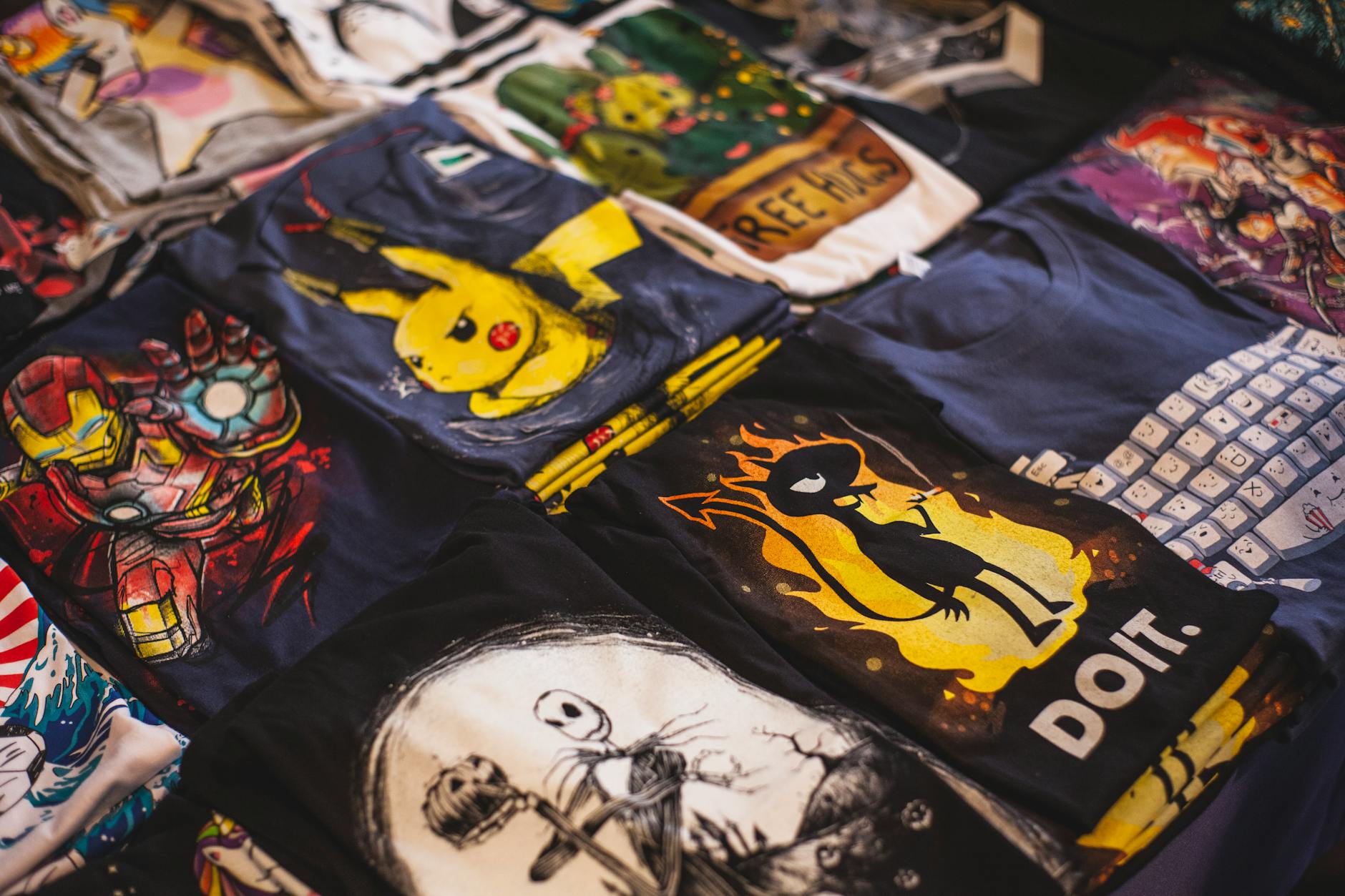
Choosing the right merchandise companies for your business, sporting club, or marketing team can feel like navigating a maze. With hundreds of suppliers operating across Australia — from boutique local printers in Newcastle to large-scale distributors serving Sydney and Melbourne corporations — it’s easy to feel overwhelmed before you’ve even confirmed your budget. The reality is that not all promotional merchandise partners are created equal, and selecting the wrong one can mean missed deadlines, poor print quality, or products that simply don’t represent your brand the way they should. This guide breaks down everything you need to know to make a smart, confident decision.
What Do Merchandise Companies Actually Offer?
Before comparing suppliers, it helps to understand the full scope of what a promotional merchandise company can provide. Many businesses assume these suppliers only handle branded pens and lanyards — but the product range is far broader than that.
A full-service merchandise partner typically offers:
- Custom apparel — t-shirts, polos, hoodies, caps, hi-vis workwear
- Drinkware — keep cups, glass water bottles, stainless steel tumblers, branded mugs
- Bags — tote bags, backpacks, cooler bags, and upcycled fabric branded bags for more creative briefs
- Tech accessories — power banks, USB drives, laser engraved phone stands, and promotional tablet stands
- Stationery — branded pens, promotional A5 notebooks, and desk accessories
- Eco-friendly products — recycled promotional products, bamboo desk accessories, and reusable items
- Seasonal merchandise — everything from winter branded merchandise to summer beach gear
Understanding this breadth helps you identify whether a potential supplier is equipped to handle your specific requirements — or whether they’ll be outsourcing half your order to third parties, adding time and cost along the way.
Key Factors to Evaluate When Comparing Merchandise Companies
Decoration Methods and Print Quality
The decoration method used on your products has a significant impact on both the look and the longevity of your branding. Reputable merchandise companies should be transparent about which techniques they use and why.
Common methods include:
- Screen printing — ideal for bulk apparel orders and flat surfaces, offering vibrant, durable results
- Embroidery — the premium choice for polo shirts, caps, and workwear; creates a professional, textured finish
- Pad printing — commonly used on pens, USB drives, and small promotional items; you can read more about pad printing on custom t-shirts and its suitability for different applications
- Laser engraving — perfect for metal, timber, and glass items, delivering a permanent, elegant result
- Embossing and debossing — ideal for leather goods and notebooks; explore how to choose embossing for promotional products to understand when this technique works best
- Sublimation — full-colour, edge-to-edge decoration on polyester apparel and ceramic items
Ask any prospective supplier which decoration methods they handle in-house versus outsource. In-house capabilities typically mean faster turnarounds and better quality control.
Minimum Order Quantities (MOQs)
MOQs vary significantly across product categories and suppliers. A standard screen-printed t-shirt run might require a minimum of 20–50 units, whereas some embroidered caps start from as few as 12 pieces. Tech accessories and custom drinkware often have higher MOQs, sometimes starting at 50–100 units.
If you’re a small sporting club in Adelaide ordering end-of-season jerseys or a start-up in Canberra putting together a small welcome kit for new hires, understanding MOQs upfront prevents wasted time chasing suppliers who can’t accommodate your volume. Always ask before requesting a formal quote.
Turnaround Times
Turnaround is one of the most common pain points when working with merchandise companies. Standard production time in Australia is typically 10–15 business days after artwork approval, but this can stretch out significantly during peak periods — especially in the lead-up to Christmas, EOFY, and major events season.
If you’re sourcing promotional giveaways for a conference or ordering team merchandise ahead of a grand final, build in a buffer of at least two to three weeks beyond your in-hand date. Some suppliers offer express services for an additional fee, but it’s worth clarifying whether this is genuinely feasible given current stock levels.
Artwork and Proof Processes
Reputable merchandise companies will always send you a digital proof before committing your order to production. This proof should clearly show your logo placement, size, colours, and any text — giving you the opportunity to approve or request changes before anything is printed or embroidered.
Pay attention to artwork requirements. Most suppliers require vector files (AI, EPS, or high-resolution PDF) for screen printing and embroidery. If your artwork needs to be digitised for embroidery, expect a one-off setup fee — typically between $30 and $80 depending on complexity.
PMS (Pantone Matching System) colour accuracy is another important consideration, particularly for corporate branding. Ask whether the supplier can guarantee PMS colour matching or whether they work to a “closest match” standard.
Choosing a Merchandise Company by Industry or Use Case
Corporate Businesses and Marketing Teams
For corporate clients, presentation and perceived quality matter enormously. A premium corporate gift delivered in thoughtful packaging creates a very different impression than a cheap pen thrown in a branded bag.
Marketing teams should look for merchandise companies that offer a full end-to-end service — ideally including warehousing, fulfilment, and the ability to ship directly to staff or clients across Australia. If you’re distributing branded welcome kits to remote employees in Perth, Darwin, or Hobart, having a supplier who manages logistics removes a significant headache.
For boardroom-level gifting, consider personalised engraved pens for sales achievement awards or unique corporate gifts that move beyond the predictable. Sustainable bamboo branded desk accessories are also increasingly popular for businesses wanting to reflect their ESG commitments through their gifting choices.
Sporting Clubs and Associations
Sporting clubs typically need merchandise companies who can handle high-volume apparel runs with consistent sizing and colour matching across multiple orders throughout the season. A Brisbane rugby club ordering playing jerseys, training shirts, and supporter merchandise needs a supplier who can coordinate multiple product types simultaneously without dropping the ball on any of them.
Key priorities for sporting clubs include:
- Competitive bulk pricing tiers
- Access to performance fabrics and sublimated apparel
- Fast reorder capability mid-season
- Merchandise available for sale at canteens or online shops
Events, Conferences, and Trade Shows
Time-sensitive events demand merchandise companies with reliable turnaround commitments and the stock to back them up. Whether you’re running a three-day expo in Melbourne or a regional business breakfast in Townsville, your branded merchandise needs to arrive on time and look the part.
Popular event merchandise categories include promotional drinkware (keep cups are perennially popular), branded tote bags, lanyards, and tech accessories. For beach-side or outdoor events in Western Australia, promotional beach bags in Perth and promotional beach towels are smart, practical choices that attendees actually keep and use.
Local and Regional Businesses
Don’t overlook the value of working with local promotional product suppliers when proximity matters. Local suppliers can often facilitate quicker turnarounds, easier sample inspections, and more personalised service — particularly helpful for first-time buyers who want to see and feel products before committing to a large order.
Red Flags to Watch Out For
Not every merchandise company that appears professional on the surface will deliver a positive experience. Watch out for these warning signs:
- No physical samples available — reputable suppliers will either send pre-production samples or have a showroom you can visit
- Unclear pricing with hidden setup fees — always request a fully itemised quote that includes setup, GST, and freight
- Vague turnaround commitments — “a few weeks” is not a production timeline; expect specific business day estimates
- No artwork proof process — any supplier who goes straight to production without approval is a liability
- Poor communication — if they’re slow to respond during the quoting stage, don’t expect that to improve once your order is placed
Sustainability: An Increasingly Important Consideration
Australian businesses and consumers are increasingly scrutinising the environmental credentials of their promotional merchandise. When evaluating merchandise companies, ask about their sustainable product range and ethical sourcing policies. Do they carry recycled promotional products? Do they work with suppliers certified by recognised bodies? Can they provide information about the origin of their products?
For organisations with formal sustainability reporting requirements — such as government departments, universities, or large ASX-listed companies — this level of transparency isn’t optional. It’s an expectation. And for hospitality businesses, even niche items like promotional plant pots for hotel room amenities can communicate your sustainability story to guests in a memorable way.
Conclusion: Finding the Right Merchandise Partner for Your Organisation
Selecting the right merchandise company is less about finding the cheapest option and more about finding the partner best suited to your specific needs, values, and timelines. Whether you’re a Perth-based marketing manager sourcing conference packs, a Melbourne sporting club ordering end-of-season kits, or a Sydney HR team building branded onboarding gift boxes, the principles remain the same: prioritise quality, transparency, and reliable service above all else.
Key takeaways:
- Always verify which decoration methods a supplier handles in-house versus outsourcing — this directly impacts quality and turnaround time
- Clarify MOQs, setup fees, and full pricing (including GST and freight) before committing to any merchandise company
- Request digital proofs before production, and ensure colour matching expectations are clearly communicated
- Build in sufficient lead time — especially around peak periods — to avoid last-minute stress
- Prioritise merchandise companies who offer sustainable product options and can provide transparent sourcing information if your organisation requires it