
Brand Merchandising in Australia: The Complete Guide for Smarter Results
Discover how Australian businesses, marketing teams and sports clubs can build stronger brand recognition through smart brand merchandising strategies.

Written by
Amara Okafor
Branding & Customisation
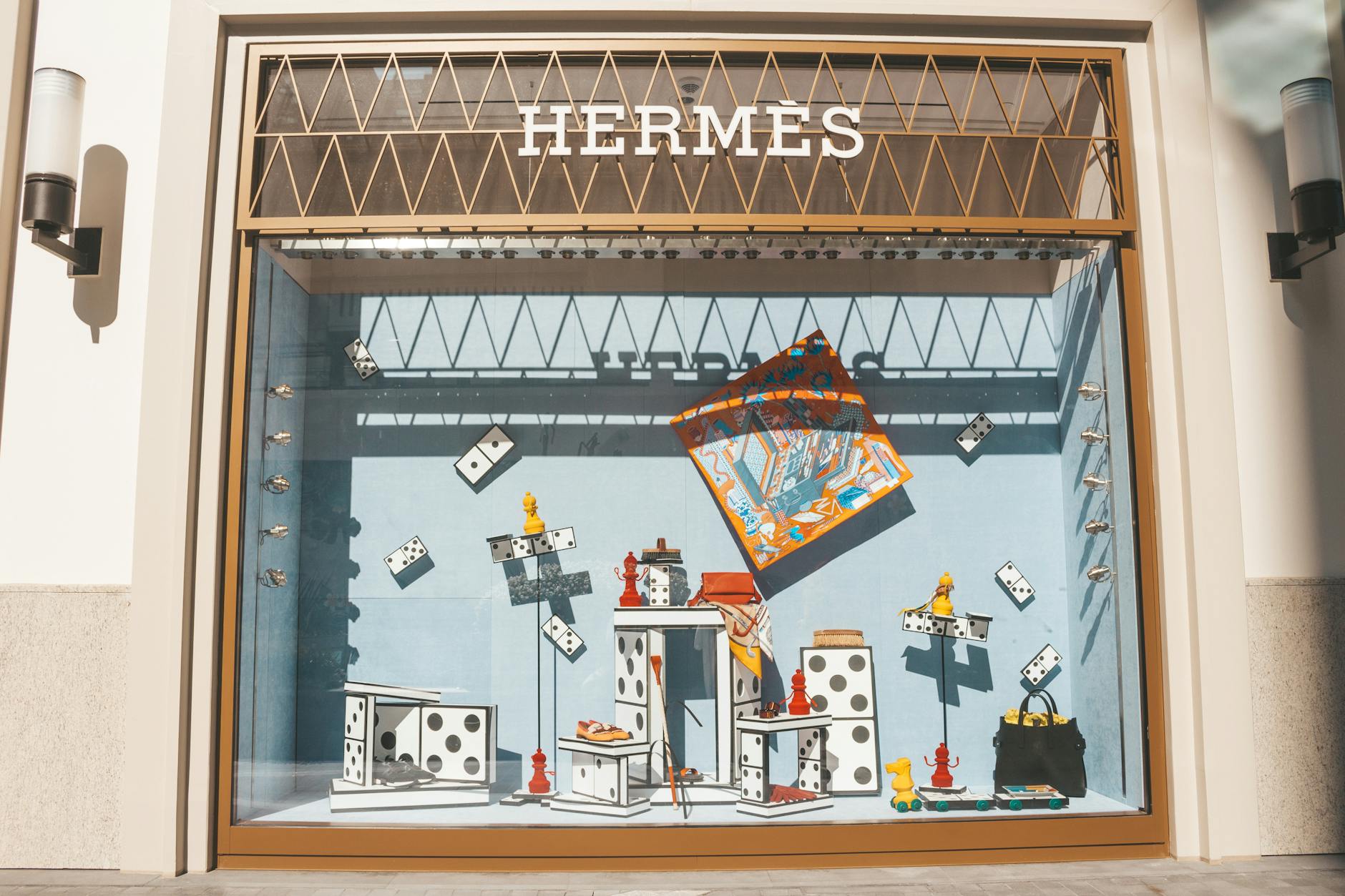
Brand merchandising is one of the most powerful — and most underestimated — tools in an Australian marketer’s toolkit. Whether you’re a marketing manager in Sydney preparing for a major product launch, a sports club in Brisbane kitting out your players for the new season, or a small business in Adelaide trying to make a lasting impression at a trade show, the way you present your brand through physical products matters enormously. Done well, branded merchandise puts your logo and message into the hands of real people, builds genuine loyalty, and keeps your organisation top of mind long after any single interaction. Done poorly, it wastes budget and ends up forgotten in a junk drawer. This guide breaks down everything you need to know to get brand merchandising right in 2026.
What Is Brand Merchandising and Why Does It Matter?
At its core, brand merchandising is the practice of using physical, branded products to promote an organisation’s identity, build awareness, and strengthen relationships with customers, staff, members, or the wider community. It sits at the intersection of marketing strategy and product design — and it’s far more nuanced than simply slapping a logo on a pen.
The real value of brand merchandising lies in its longevity. A well-chosen branded product — a quality keep cup, a sturdy tote bag, a premium notebook — can remain in active use for months or even years. Every time that item is used, your brand gets a free impression. Research into promotional drinkware and consumer behaviour in Australia consistently shows that recipients genuinely value useful, quality branded items and associate them with positive feelings toward the brand that gave them.
For Australian businesses competing in crowded markets, that kind of sustained visibility is worth every dollar spent.
The Difference Between Good and Mediocre Branded Merchandise
Here’s a truth that experienced marketing teams already know: not all branded merchandise is created equal. The difference between a $3 pen that stops working after a week and a $12 pen with premium construction and laser engraving isn’t just quality — it’s how the recipient feels about your brand when they use it. Personalised engraved pens for sales achievement awards are a perfect example of merchandise that carries emotional weight and stays on desks for years.
The same principle applies across every product category. It’s almost always better to order fewer pieces at a higher quality level than to flood the market with cheap items that reflect poorly on your brand.
Building a Brand Merchandising Strategy from Scratch
Before you order a single item, you need a strategy. Brand merchandising without a plan is just spending money on stuff. With a plan, it becomes a measurable investment in your brand’s future.
Define Your Audience and Objectives
Start by asking: who is this merchandise for, and what do you want it to achieve? A Melbourne tech company distributing merchandise at a conference has very different needs from a Perth football club selling supporter gear. Your audience determines your product choices, your decoration method, your price point, and your distribution model.
Common brand merchandising objectives include:
- Generating awareness at events, expos, or in the community
- Rewarding loyalty among customers, members, or staff
- Driving retail revenue through a branded merchandise store
- Reinforcing culture through internal employee gifting
- Supporting campaigns with product tie-ins or limited-edition releases
Knowing your objective upfront shapes every decision that follows.
Choose Products That Align With Your Brand Values
Product selection is where many organisations go wrong. They default to the cheapest available option in whatever category seems vaguely appropriate. But your merchandise should reflect your brand’s personality and values.
An eco-conscious company, for instance, should be looking at recycled promotional products and sustainable bamboo desk accessories rather than single-use plastic items. A hospitality business might explore something genuinely unexpected — like promotional plant pots for hotel room amenities — to create a memorable, on-brand guest experience.
Brands with a summer-focused identity in Western Australia might lean into products like promotional beach bags or branded beach towels that get used in environments where the brand naturally belongs. Matching your product to your brand’s world makes everything feel intentional rather than generic.
Decoration Methods: Getting Your Brand Right
The decoration method you choose has a massive impact on how your brand looks on a product. Different techniques suit different materials, quantities, and brand aesthetics.
Screen printing is the workhorse of the industry — cost-effective for larger runs, vibrant on fabric, and well-suited to bold graphic logos. Pad printing on custom t-shirts works particularly well for smaller logos or detailed artwork on garments and hard goods.
Embroidery gives a premium, tactile finish and is the go-to for corporate polos, caps, and workwear. It’s durable, sophisticated, and holds up through hundreds of washes — making it a strong choice for staff uniforms and supporter apparel.
Laser engraving creates an elegant, permanent mark on hard surfaces like metal, wood, and glass. It’s ideal for premium gifts and tech accessories. Laser engraved phone stands and branded tablet stands in Melbourne are excellent examples of functional tech items that look genuinely impressive with an engraved logo.
Embossing and debossing on leather goods and notebooks creates a tactile, sophisticated result that feels premium without necessarily costing a fortune. Our guide to embossing for promotional products walks you through when and how to use this technique effectively.
Choosing the right method for each product isn’t just about aesthetics — it also affects your minimum order quantities (MOQs), setup fees, turnaround times, and unit costs.
Brand Merchandising Across Different Sectors
One of the strengths of brand merchandising as a strategy is its versatility. Almost every type of Australian organisation can benefit from a well-executed merchandise program.
Corporate and B2B Organisations
For corporate teams, brand merchandising often centres on client gifting, conference giveaways, and internal culture. Premium corporate gifts in Brisbane are increasingly expected to be thoughtful and high quality rather than generic. Useful, beautifully branded items — like glass water bottles or Moleskine-style A5 notebooks — leave a strong impression on clients and prospects.
For event-focused marketing teams, there’s a real art to choosing merchandise that stands out. Our guide to promotional giveaways for conferences in Australia covers how to select items that attendees will actually keep and use.
Sports Clubs and Associations
For sports clubs — from local community teams to professional associations — brand merchandising serves a dual purpose: building team identity and generating supporter revenue. Supporter merchandise, training gear, and event products all need to be consistently branded and well-made. Seasonal campaigns work well here, with winter branded merchandise like hoodies, beanies, and scarves being popular for clubs in Victoria, New South Wales, and Queensland during the cooler months.
Niche and Creative Businesses
Brand merchandising doesn’t have to be conventional. Some of the most memorable branded merchandise comes from organisations thinking outside the box. A cat café, for instance, might sell promotional catnip toys as branded merchandise — quirky, on-brand, and genuinely useful for their audience. A vintage boutique in Hobart might offer upcycled fabric branded bags that reflect their sustainable ethos. The key is alignment between the product and the brand’s identity.
Practical Tips for Managing Your Brand Merchandising Projects
Even with a great strategy and solid product choices, execution matters. Here are some practical considerations for keeping your projects on track:
Lead times: Most branded merchandise requires 10–15 business days from artwork approval to delivery. If you’re ordering for an event, factor in buffer time. Rushed orders typically cost significantly more and leave less room for quality checks.
Artwork preparation: Supply your logo as a vector file (AI or EPS format) wherever possible. This ensures your artwork can be scaled to any size without losing quality. Raster images (JPGs, PNGs) are often unusable for screen printing or embroidery without redrawing.
Budget realistically: A common mistake is underestimating total costs. Unit prices drop significantly at higher quantities, but you also need to factor in setup fees, freight, and GST. Always request a detailed quote before committing.
Request samples: For larger orders — especially for items like apparel or premium gifts — always request a pre-production sample before signing off on the full run. This is particularly important when working with local promotional product suppliers who may offer shorter lead times for sample approval.
Think about unique corporate gifts: Sometimes the best brand merchandising strategy involves stepping away from the expected and choosing products that genuinely surprise and delight your audience.
Conclusion: Key Takeaways for Smarter Brand Merchandising
Brand merchandising is a long-term investment in how your organisation is perceived. When you approach it strategically, the returns — in brand recognition, loyalty, and community connection — far outweigh the upfront costs.
Here are the key takeaways to carry into your next brand merchandising project:
- Strategy first, products second. Define your audience, objectives, and budget before you browse any product catalogue.
- Quality over quantity. A smaller run of genuinely useful, well-made items will always outperform a massive order of cheap giveaways.
- Decoration method matters. Match your technique to your product, logo style, and brand positioning — don’t just default to the cheapest option.
- Align products with brand values. Eco-focused brands should choose sustainable products; active brands should choose functional ones. Authenticity shows.
- Plan ahead and prepare your artwork. Rushed orders and poor artwork files are the two most common causes of disappointing results in brand merchandising projects.
With the right approach, your brand merchandising program can become one of your most effective and cost-efficient marketing channels — one that keeps working for your brand long after the initial investment.