
How to Choose the Right Polo Brand for Your Business or Sports Club
Discover how to choose the best polo brand for corporate uniforms or sports clubs in Australia. Tips on quality, decoration, and ordering.

Written by
Riley Monk
Custom Apparel
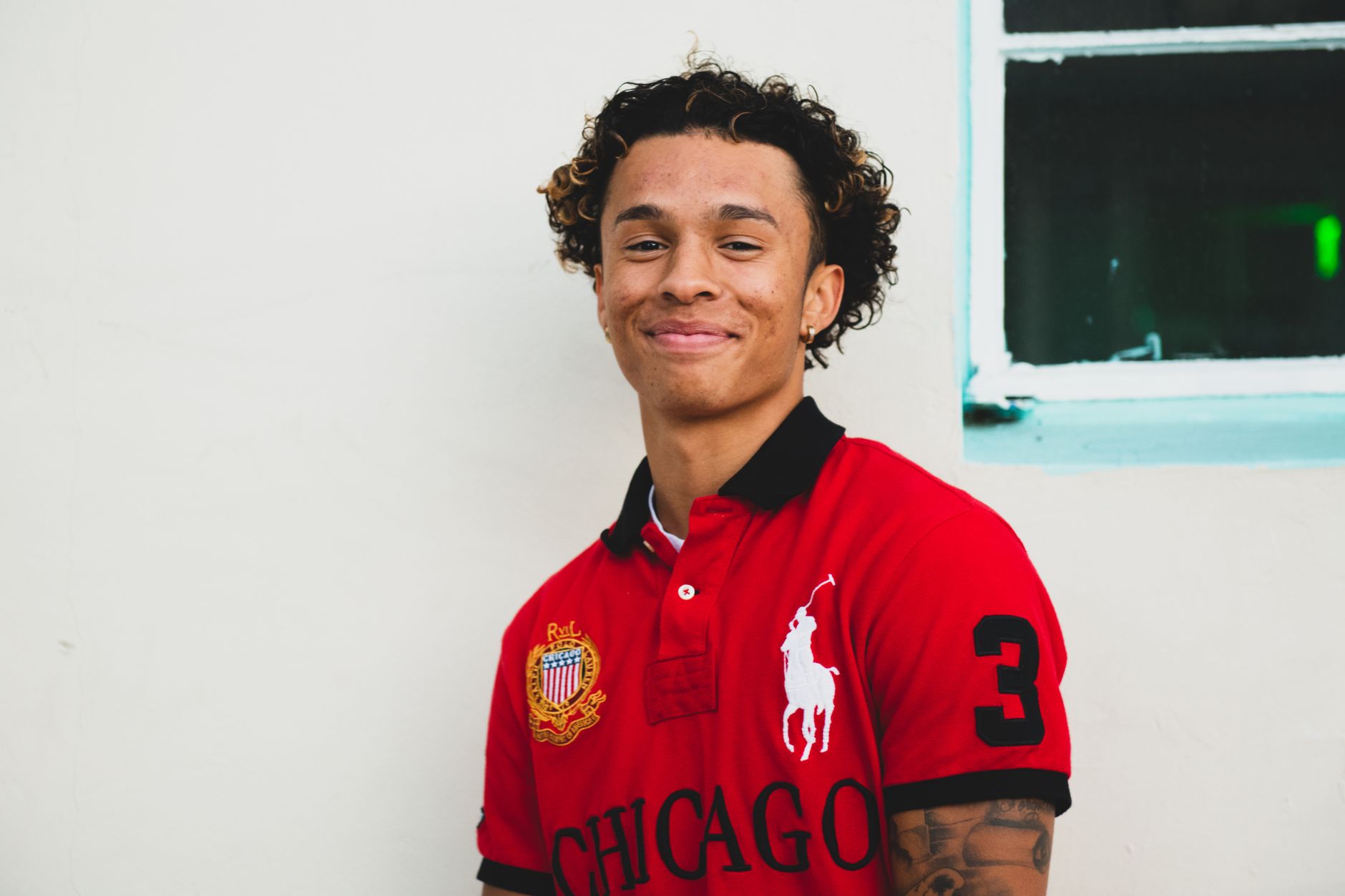
When it comes to branded workwear and team uniforms, few garments carry more versatility, professionalism, and everyday wearability than the humble polo shirt. Whether you’re kitting out a sales team in Sydney, outfitting a Brisbane sporting club, or sourcing corporate uniforms for a Melbourne-based business, selecting the right polo brand is one of the most important decisions you’ll make in your merchandise project. Get it right and your team looks sharp, your brand is represented consistently, and staff actually want to wear their shirts. Get it wrong and you’re left with garments that shrink after two washes, fade after a season, or simply don’t hold up to embroidery without puckering. This guide walks you through everything you need to know about choosing the right polo brand for your needs — from fabric weights and fit options to decoration methods and budget considerations.
Why the Polo Brand You Choose Matters More Than You Think
It’s tempting to treat all polo shirts as interchangeable. They’re just shirts, right? Not quite. The polo brand you choose determines the fabric quality, fit consistency, colour range, and how well the garment accepts decoration. These factors directly affect how your branding looks in the real world.
A polo shirt that uses a piqué cotton fabric of 200gsm or below will feel lightweight and breathable — ideal for outdoor staff in Perth or Darwin where the heat is relentless. A heavier 220–240gsm fabric offers more structure, drapes better on a range of body types, and typically takes embroidery more cleanly without the fabric pulling or distorting around the logo area. For sports clubs, performance fabrics with moisture-wicking technology are often the better choice over standard cotton, as they keep players cooler and dry faster during games.
Beyond the feel of the garment, brand reputation matters for sizing consistency. When you’re ordering 50 polo shirts for a corporate team across multiple states — say, a national real estate agency with offices in Adelaide, Canberra, and the Gold Coast — you need every size 14 to actually be a size 14. Established polo brands maintain tighter quality control over their sizing, which means fewer complaints from staff and fewer replacement orders for you.
Key Fabric Types to Look For
Understanding fabric basics helps you make better decisions:
- 100% Cotton Piqué — the classic polo texture, breathable, comfortable, holds colour well
- Cotton/Polyester Blends — more durable, wrinkle-resistant, and faster-drying than pure cotton; ideal for hospitality and retail
- Performance/Moisture-Wicking Polyester — best for sports clubs, active outdoor roles, and events in warmer climates
- Sustainable Fabrics — recycled polyester or organic cotton options are increasingly available for businesses prioritising environmental responsibility; see our guide to recycled promotional products in Australia for more context on eco-conscious sourcing
Popular Polo Brand Categories in the Australian Promotional Market
The Australian branded apparel market is serviced by a range of polo brands that fall into a few distinct tiers. Understanding these tiers helps you align your choice with your budget and quality expectations.
Entry-Level Polo Brands
These brands are typically manufactured offshore and offer competitive pricing, making them suitable for large-volume orders where cost per unit is the priority — think event giveaways, volunteer uniforms for a one-off community day, or school sports carnivals where garments may only be worn once or twice. Minimum order quantities (MOQs) at this level are often as low as 12–24 pieces, and prices can range from $8 to $18 per unit before decoration.
Mid-Range Polo Brands
This is where the sweet spot lives for most Australian businesses and sports clubs. Mid-range brands typically offer a GSM between 210 and 240, a consistent fit across sizes, and a broader colour range with better colour fastness. These poloshirts are well-suited to screen printing and embroidery — the two most common decoration methods — and they’re priced in the $20–$45 range per unit (before branding). Corporate teams ordering 25–100 units will find this tier offers excellent value without compromising on presentation.
Premium Polo Brands
Premium polo brands are for organisations where image is paramount. Think executive gifts, high-end hospitality uniforms, or premium corporate gifts in Brisbane where the shirt is part of a broader welcome pack or gift set. Our guide to premium corporate gifts in Brisbane covers how to approach this kind of high-value merchandise strategy. At the premium tier, you can expect superior fabric feel, tailored fit options, innovative features like UV protection or anti-microbial treatments, and a price point of $50–$100+ per unit. The finish on embroidered logos at this level is noticeably crisper.
Decoration Methods: What Works Best on Polo Shirts
Once you’ve selected your polo brand, the next decision is how to apply your branding. The most common decoration methods for polo shirts in Australia are embroidery, screen printing, and heat transfer. Each has its strengths.
Embroidery
Embroidery is the gold standard for corporate polo shirts. It conveys quality, durability, and professionalism — the stitched logo won’t crack, peel, or fade after repeated washing. Most quality polo brands are designed with embroidery in mind; the structured fabric of a piqué polo provides a stable base for the needle. Left-chest placement is the most common position, with sleeve and back-neck options also popular.
The main limitation of embroidery is detail — fine text and complex gradients don’t translate well to thread. Keep logos clean and bold for best results. Setup costs (digitising your artwork into a stitch file) are a one-time fee, typically ranging from $30 to $80, and the per-unit cost decreases with volume.
Screen Printing
Screen printing works well on polo shirts for larger, more graphic designs — particularly back prints or large-format logos. It’s the preferred method for sports clubs wanting their team name and number displayed prominently. If you’re curious about pad printing on custom t-shirts in Australia, many of the same principles apply to flat garment decoration more broadly.
Screen printing involves a setup fee per colour, so designs with four or more colours can become expensive at low quantities. At volumes of 50 units or more, however, the per-unit cost drops significantly and screen printing becomes very cost-effective.
Heat Transfer and Sublimation
Heat transfer is ideal for full-colour photographic designs or complex graphics, while sublimation (which bonds ink directly into the fabric) is best suited to 100% polyester performance poloshirts. Sublimation can’t be applied to cotton garments. For sports clubs using performance fabric poloshirts, sublimation produces vibrant, long-lasting results that hold up wash after wash.
Ordering Tips for Businesses and Sports Clubs
Getting your polo shirt order right the first time saves money, time, and frustration. Here are the most important practical considerations.
Request a Branded Sample First
Always request a pre-production sample or a stock sample with a decoration proof before committing to a full run. This is especially important if you’re ordering above 100 units. Seeing the actual garment and the branding applied to it prevents costly mistakes. Most quality suppliers will accommodate sample requests, sometimes for a small fee that’s credited toward your final order.
Understand Turnaround Times
Standard turnaround for branded polo shirts in Australia is typically 10–15 business days from artwork approval. If you’re ordering for an event, a product launch, or the start of a sporting season, factor this in well ahead of time. Rush production is available from some suppliers but attracts a premium. If you’re working on broader event merchandise, our guide to promotional giveaways for conferences in Australia has useful planning timelines that apply here too.
Plan for Size Runs
Ordering in bulk means planning your size distribution carefully. For corporate teams, gather actual size preferences from your staff — don’t just guess. For sports clubs, consider that you’ll likely need a spread of XS through to 3XL to accommodate all players. Over-ordering a size you don’t need ties up budget unnecessarily, while under-ordering causes frustration when a new team member can’t get a shirt in their size.
Factor in Artwork Setup Costs
Most suppliers charge a one-time setup or digitising fee for each new design. If you’re reordering the same design on the same garment, this fee typically isn’t charged again. Keeping your artwork consistent year-on-year saves money on reorders. For embroidery specifically, ensure your supplier provides you with the digitised stitch file for future reference.
Pairing Your Polo with a Broader Merchandise Strategy
A branded polo shirt rarely stands alone in a well-executed merchandise strategy. For corporate teams, it’s often paired with items like sustainable bamboo branded desk accessories, promotional A5 notebooks, or personalised engraved pens to create a cohesive welcome pack for new starters. Thinking about your merch as a complete brand toolkit — rather than individual items — elevates the overall impression you create.
For sports clubs, the polo might be part of a broader kit that includes training gear, club bags, and drinkware. Our guide on promotional drinkware and consumer behaviour in Australia is worth reading if you’re building out a full club merchandise range.
You might also want to consider how your polo fits with your seasonal needs. For clubs and businesses in cooler southern states, a polo paired with a branded hoodie or mid-layer makes sense for the winter months — check out our thoughts on winter branded merchandise in Australia for inspiration.
Conclusion: Key Takeaways for Choosing Your Polo Brand
Choosing the right polo brand for your business or sporting club is a decision worth taking seriously. The right garment, decorated well, becomes a powerful ambassador for your brand on and off the field. Here are the key points to take away:
- Match fabric to function — lightweight cotton for office environments, performance polyester for sports clubs, and sustainable blends for eco-conscious organisations
- Align quality tier with budget and purpose — entry-level for short-term events, mid-range for everyday corporate use, premium for executive gifting or high-impression roles
- Choose decoration based on design complexity — embroidery for clean, professional logos; screen printing for bold graphics; sublimation for full-colour performance garments
- Order a sample before committing — always see and feel the garment and your branding before approving a full run
- Think beyond the shirt — integrate your branded polo into a broader merchandise strategy that reinforces your brand at every touchpoint
With careful planning and the right partner, your branded polo shirts will be something your team genuinely wears with pride — and that’s exactly what great promotional merchandise is designed to achieve.