
Pad Printing on Custom T-Shirts Australia: What You Need to Know
Discover how pad printing works on custom t-shirts in Australia, when to use it, and how it compares to other decoration methods for your brand.

Written by
Amara Okafor
Branding & Customisation
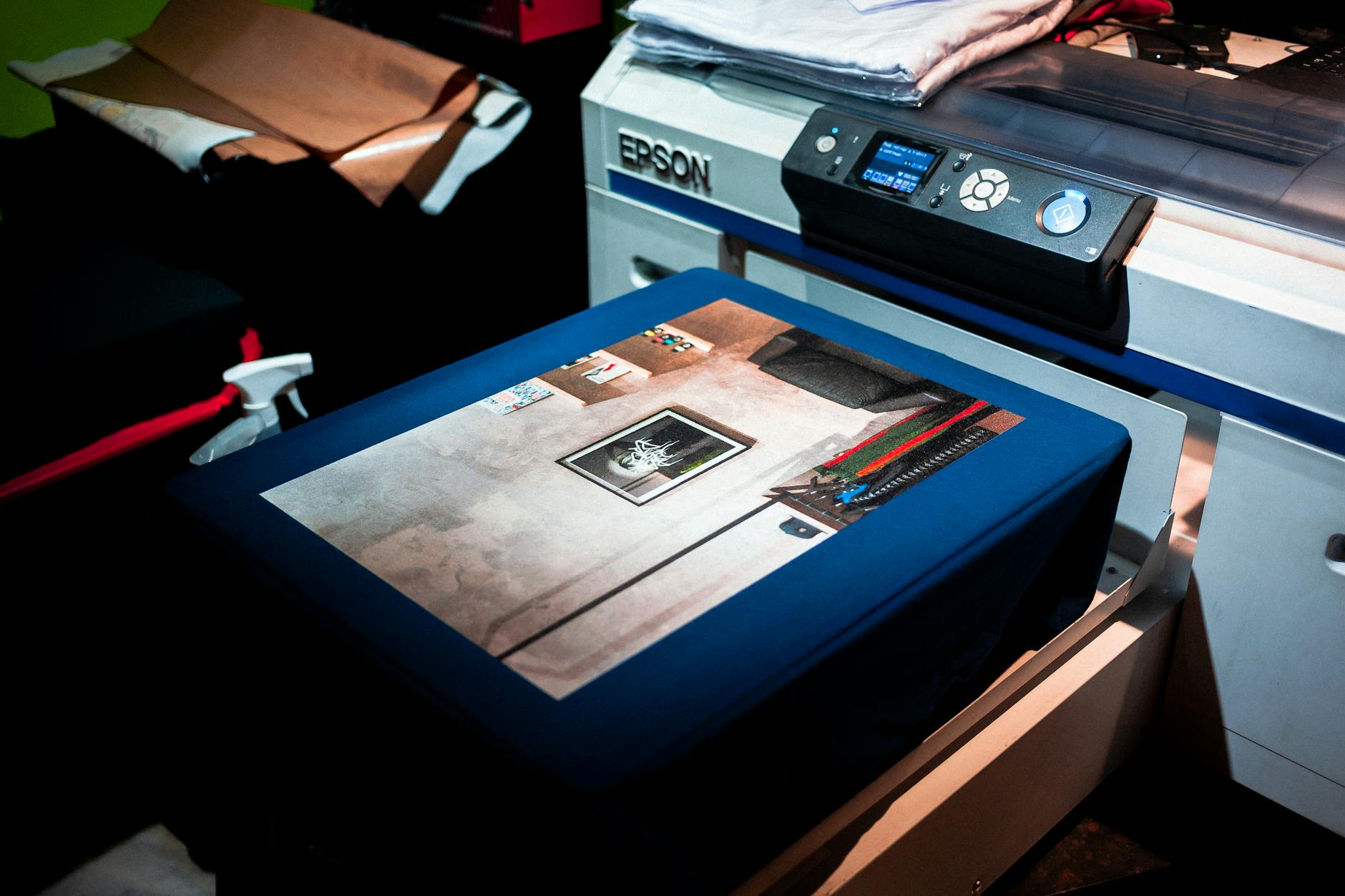
When it comes to decorating custom t-shirts in Australia, most marketing teams jump straight to screen printing or embroidery — and for good reason. But there’s another decoration method that often gets overlooked, despite being remarkably versatile and cost-effective for the right applications: pad printing. If you’ve never heard of it in the context of apparel, you’re not alone. Pad printing on custom t-shirts in Australia is far less common than on hard promotional products, but understanding how it works — and when it makes sense — could open up a world of creative possibilities for your next branded merchandise project.
What Is Pad Printing and How Does It Work?
Pad printing is a specialised printing technique that transfers a two-dimensional image onto a three-dimensional surface using a silicone pad. The process involves etching your artwork into a printing plate (called a cliché), filling that etching with ink, pressing the silicone pad onto the plate to pick up the ink, then transferring it onto the target surface.
The silicone pad is the hero of this story. Because it’s flexible, it can conform to irregular, curved, and uneven surfaces — making it ideal for printing on items like pens, golf balls, lighters, USB drives, and other hard promotional products. The technique is incredibly precise and can reproduce fine details and sharp edges with excellent consistency across large print runs.
It’s worth noting that pad printing is predominantly used on rigid promotional items rather than fabric. However, understanding why is just as valuable as knowing when it is appropriate for garments.
Can You Pad Print Directly on T-Shirts?
Technically, pad printing can be applied to fabric in some limited scenarios — most often on rubberised or coated patches, appliqués, or embedded components sewn into garments rather than directly onto the fabric surface itself. The reason it’s rarely used on raw fabric is straightforward: textile fibres are porous and irregular, which makes it extremely difficult for ink to adhere with the same precision and durability that pad printing achieves on smooth, hard surfaces.
If you’ve seen a printed rubber badge or a silicone label on a polo shirt or hoodie, there’s a reasonable chance that component was pad printed before being applied to the garment. In that sense, pad printing does find its way onto custom apparel — just not in the direct-to-fabric way that screen printing or heat transfer does.
Pad Printing vs. Other Decoration Methods for Custom T-Shirts
This is where things get genuinely useful for marketing teams and procurement managers who are trying to choose the right decoration method for a project. Let’s look at how pad printing stacks up against the more common alternatives.
Screen Printing
Screen printing is the gold standard for custom t-shirt decoration in Australia. It delivers vibrant, durable prints directly onto fabric and is extremely cost-effective at volume — typically from 50 pieces upward. If you’re a sports club in Adelaide ordering jerseys for the season, or a Sydney corporate team needing branded tees for a product launch event, screen printing is almost certainly the right choice.
The key difference with pad printing is the surface requirement. Screen printing is designed for flat, fabric surfaces. Pad printing is designed for hard, often curved surfaces. They’re built for different jobs.
Embroidery
Embroidery gives a premium, textured finish that’s particularly popular on polos, caps, and workwear. It’s a fantastic option for professional settings — think a Melbourne real estate agency outfitting their team in embroidered polos. You can read more about this in our guide to custom embroidered hoodies for a deeper look at how embroidery works on apparel.
Heat Transfer and DTG Printing
Heat transfer vinyl (HTV) and direct-to-garment (DTG) printing both work directly on fabric and can handle complex, multi-colour designs with photographic detail. For small runs or one-off personalised pieces, DTG in particular is hard to beat for flexibility.
Where Pad Printing Actually Wins
Pad printing dominates when you’re printing on the accessories and promotional products that accompany your branded t-shirts — items like pens, keyrings, lanyards, and drinkware. If your marketing team is running a trade show in Brisbane or a conference in Perth, you’ll likely have a whole range of products in your merch kit. Pad printing is behind most of the precision branding on those smaller, rigid items. For advice on putting together a complete branded lanyards package, check out our post on 50 custom lanyards and how they’re typically produced.
When Australian Businesses Should Consider Pad Printing
Even if pad printing isn’t the go-to for fabric garments, there are specific scenarios where understanding this technique adds real value to your merchandise planning.
You’re Ordering a Mixed Merch Kit
Many Australian businesses — particularly those in the corporate, events, and government sectors — order branded merchandise kits that combine apparel with hard goods. A Canberra government department running a community engagement campaign might order branded tees (screen printed) alongside printed pens, notepads, and lanyards (pad printed). Knowing which decoration method applies to which product helps you plan timelines, budget accurately, and communicate clearly with your supplier.
You Need Branding on Irregular Surfaces
If your custom t-shirt design includes a rubberised badge, a printed button, or a silicone label, those components are prime candidates for pad printing before being attached to the garment. This approach is sometimes used in premium sportswear, high-visibility workwear, and fashion-forward corporate apparel.
You’re Producing Safety and Workwear
Custom hi-vis workwear and safety gear often features both printed fabric and hard components — think printed hard hat badges, clip-on identifiers, or helmet insignia. Pad printing is widely used on these rigid safety accessories. For more on this niche, our guide to custom hard hats in Brisbane covers how branding is applied in safety-critical environments.
Practical Tips for Ordering Pad Printed Products in Australia
Whether you’re a marketing manager in Melbourne, a procurement officer in Darwin, or a sports club treasurer on the Gold Coast, these practical tips will help you navigate pad printing projects with confidence.
Understand Setup Fees and Colour Limitations
Pad printing typically involves a setup fee for each colour in your artwork. Each colour requires its own cliché (printing plate), which means a two-colour logo will cost more to set up than a single-colour one. Budget for these upfront costs, especially on lower-volume orders. That said, pad printing offers extremely competitive unit costs at volume, making it excellent for large runs of promotional products.
Keep Artwork Simple and Sharp
Pad printing works best with clean, bold artwork — logos, single-colour marks, simple text. Fine gradients and photographic imagery don’t translate well through this method. Talk to your artwork team about supplying vector files (usually .AI or .EPS format) with clean, well-defined paths.
Factor In Turnaround Time
Most pad printing jobs in Australia have a turnaround of 7 to 15 business days after artwork approval, depending on the complexity of the order and your supplier’s current production queue. If you’re ordering for an event, build in buffer time. Rush production is sometimes available but typically attracts additional fees.
Request a Pre-Production Sample
For large orders, always request a physical sample before full production begins. This is standard practice in the Australian promotional products industry and protects you from costly errors. Colour matching, registration accuracy, and print placement should all be confirmed on an approved sample.
Consider Eco-Friendly Options
If sustainability is important to your brand — and increasingly, it is for Australian organisations — ask your supplier about eco-friendly ink options and whether the promotional products being pad printed are made from recycled or sustainable materials. Many businesses pairing branded apparel with promotional products are now choosing more responsible options. Our post on recycled promotional products in Australia is a great starting point for making greener choices across your merch mix.
Building a Complete Branded Merchandise Strategy
Understanding pad printing is really about understanding the full ecosystem of branded merchandise and how different decoration methods serve different product categories. Your custom t-shirts might be screen printed, your caps embroidered, your pens pad printed, and your drinkware laser engraved or sublimated. Each product deserves the decoration method best suited to its material and purpose.
For example, a Melbourne-based sports club ordering end-of-season merchandise might combine screen-printed tees with embroidered caps, pad-printed pens, and branded water bottles. If you’re thinking about the drinkware component, our guide to water bottles in glass explores premium options that often feature pad or laser engraved branding.
Similarly, organisations running events or seasonal campaigns might layer their merch strategy across multiple product types. Whether it’s Halloween corporate giveaways in Australia, promotional beach towels in Perth, or even niche products like promotional catnip toys for cat café merchandise, decoration method choice always comes back to matching the technique to the surface.
For accommodation and hospitality brands exploring branded in-room amenities, options like promotional plant pots for hotel room amenities in Australia are frequently pad printed for a clean, elegant finish.
Conclusion: Key Takeaways on Pad Printing on Custom T-Shirts in Australia
Pad printing on custom t-shirts in Australia is a nuanced topic — and now you’re better equipped to understand when it applies and when it doesn’t. Here’s a quick summary of the most important points to carry into your next merchandise project:
- Pad printing is best suited to hard, smooth surfaces such as pens, lanyards, drinkware, and rigid accessories — not directly onto fabric
- It can appear on apparel via rubberised badges, silicone labels, or hard components that are pad printed before being attached to garments
- For direct-to-fabric custom t-shirt decoration, screen printing, embroidery, heat transfer, or DTG printing are almost always more appropriate
- In mixed merch kits, pad printing often handles the hard goods while other methods handle the apparel — knowing this helps you plan budgets and timelines accurately
- Always request samples, supply clean vector artwork, and budget for per-colour setup fees to get the best results from any pad printing project
By understanding the full suite of decoration methods available in the Australian market, you’ll make smarter decisions, avoid costly mistakes, and ultimately deliver branded merchandise that genuinely represents your organisation at its best.