
Branded Kayak Dry Bags for Paddle Sport Events: The Complete Merchandise Guide
Discover how branded kayak dry bags make powerful paddle sport event merchandise — with tips on decoration, MOQs, budgeting, and ordering in Australia.

Written by
Finn Calloway
Outdoor & Leisure
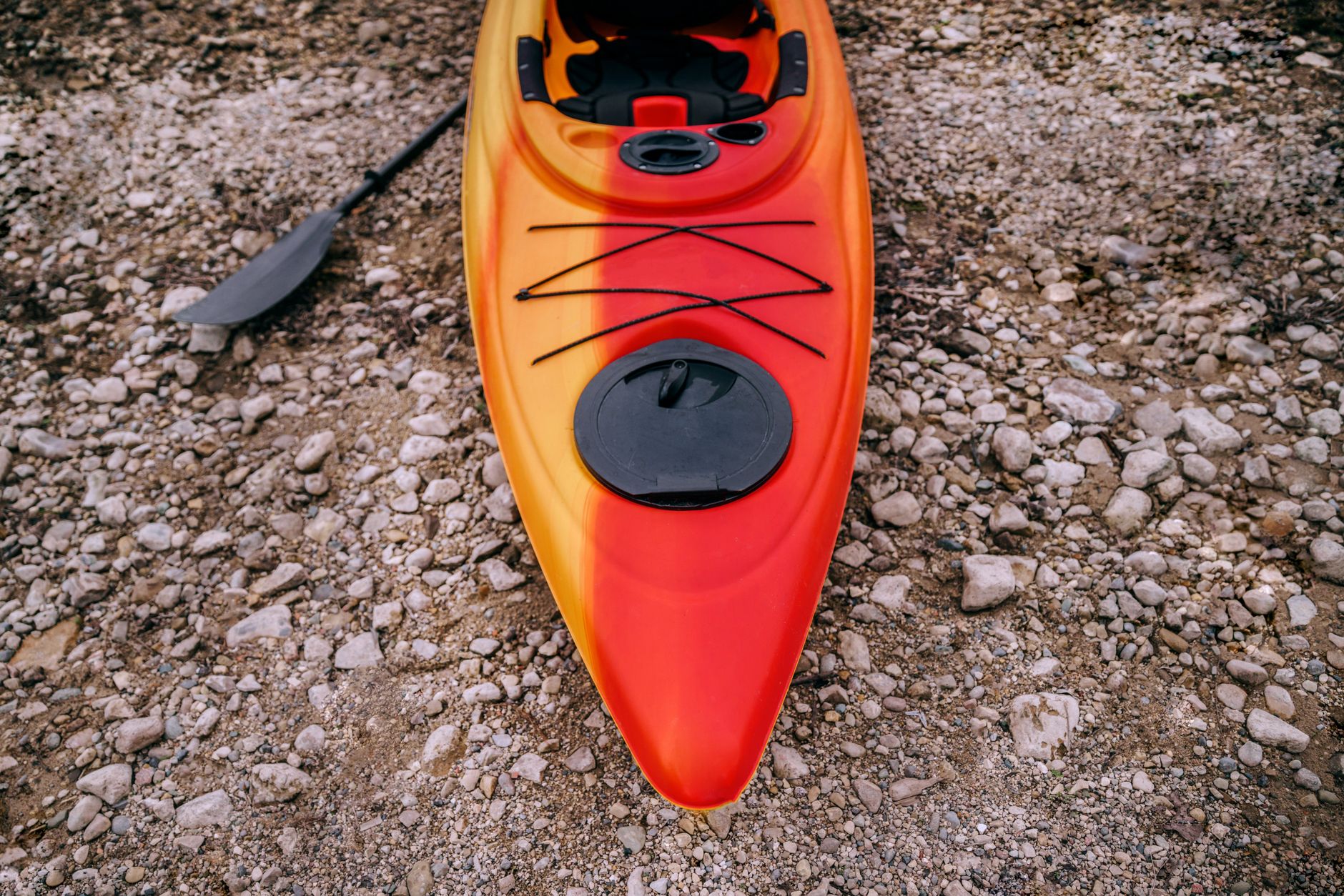
Picture this: hundreds of paddlers launching off the bank of the Hawkesbury River, the Brisbane River, or the Swan River — each one carrying a brightly branded dry bag that keeps their gear safe and your logo visible for the entire event. Branded kayak dry bags for paddle sport event merchandise are one of the smartest investments a sports club, event organiser, or corporate sponsor can make. They’re practical, high-visibility, and built for exactly the environment your audience inhabits. Whether you’re running a kayak relay, a SUP (stand-up paddleboard) festival, a canoe marathon, or a corporate team-building day on the water, a well-chosen dry bag does double duty — protecting participants’ belongings while turning every paddler into a walking billboard for your brand.
This guide covers everything you need to know about sourcing, customising, and ordering branded dry bags for paddle sport events in Australia.
Why Branded Kayak Dry Bags Are Ideal Paddle Sport Event Merchandise
Not all promotional products are created equal. The best merch is useful, relevant, and durable — and a dry bag ticks every single one of those boxes for a paddling audience.
They Solve a Real Problem
Every paddler knows the sinking feeling (sometimes literally) of a phone, wallet, or car keys getting soaked mid-session. Dry bags are waterproof, roll-top sealed, and designed to float. They’re not novelty items — they’re essential gear. When your branded product genuinely improves someone’s day on the water, the association with your brand becomes positive and lasting. Research consistently shows that useful promotional products are kept longer and generate more impressions over time, a principle explored in depth in our article on consumer behaviour insights for promotional product selection.
High Visibility on and off the Water
A 10-litre or 20-litre dry bag strapped to a kayak deck or worn on a paddler’s back is impossible to miss. Bold colours, large print areas, and the repetitive nature of paddle sport events (spectators watch paddlers pass by for hours) means your logo gets extraordinary exposure. Compare that to a branded pen or a notepad — there’s simply no contest for an outdoor event environment.
Longevity Beyond the Event
Unlike a single-use item, a quality dry bag can last three to five years with proper care. That means your branding stays in circulation long after the event itself — on camping trips, beach days, kayak training sessions, and bushwalks. For sponsors and event organisers alike, this extended lifespan dramatically improves the return on investment from branded merchandise.
Choosing the Right Dry Bag for Your Event
There’s a wide range of dry bag styles, sizes, and materials available for customisation. Understanding these options will help you match the product to your event’s needs and your budget.
Size and Capacity
Dry bags are typically sold in capacities ranging from 2 litres (small phone-and-keys pouches) to 30 litres or more (full gear storage). For paddle sport event merchandise, the most popular and versatile options sit in the 5-litre to 20-litre range:
- 5-litre bags – ideal for phone, keys, wallet, and snacks. Great for shorter sprint events or as a companion piece to a larger bag.
- 10-litre bags – the sweet spot for most event merch applications. Enough room to be genuinely useful, compact enough to fit comfortably in a kayak cockpit or on a SUP deck.
- 20-litre bags – popular for multi-day paddling events, camping trips, or as premium sponsor gifts. Excellent print area for prominent branding.
Material and Durability
Look for dry bags made from 500D PVC tarpaulin, TPU-coated nylon, or similar waterproof materials. Welded (rather than stitched) seams are the gold standard for true waterproofing. For events in harsh conditions — think the Hawkesbury Classic in New South Wales or the Canoe Marathon Nationals — durability is non-negotiable. Participants will notice and appreciate quality materials, and that positive experience transfers directly to your brand perception.
Closure Systems
Roll-top closures with buckle clips are the most common and most trusted design for paddling applications. D-ring attachment points are a bonus for kayak deck rigging. If you’re ordering for a corporate team-building event or a less technical paddling context, simpler designs with zip-seal tops can work well — though they don’t offer the same waterproofing depth as a proper roll-top.
Decoration Methods for Branded Dry Bags
Getting your logo right on a dry bag requires choosing a decoration method suited to waterproof, textured materials. Not every technique that works on a cotton t-shirt translates well to PVC or TPU substrates.
Screen Printing
Screen printing is the most popular decoration method for dry bags, particularly for bold, single or two-colour logos. The ink adheres well to smooth PVC surfaces and produces vibrant, high-contrast results. Setup fees apply per colour, so this method is most cost-effective at higher quantities — typically 50 units and above. If you’re exploring screen printing for other event apparel as well, our guide on pad printing on custom t-shirts in Australia outlines how similar principles apply across different surfaces.
Heat Transfer
Heat transfer labels are a great option for dry bags that feature multiple colours or photographic-quality graphics. The print is applied as a pre-made film that’s heat-bonded to the bag surface. It’s generally more expensive per unit than screen printing but allows greater design complexity, making it a strong choice for event sponsor logos with detailed branding guidelines.
Debossing and Embossing
Some premium dry bags feature thick rubberised panels where logos can be debossed (pressed inward) or embossed (raised outward). This creates a high-end, tactile finish that works well for corporate sponsor merchandise or awards-style gifts. It’s not suitable for all bag styles, so confirm with your supplier whether debossing is available for the specific product you’re ordering.
Colour Matching
If your event or sponsor has strict brand guidelines, discuss PMS colour matching with your supplier early in the process. Standard production usually works from CMYK approximations, but many premium bag manufacturers can accommodate Pantone matching at an additional cost. For large-volume orders — 200 units or more — the investment in accurate colour matching is almost always worthwhile.
Ordering Branded Dry Bags in Australia: What to Expect
Minimum Order Quantities (MOQs)
Most Australian suppliers require a minimum order of 25 to 50 units for branded dry bags, though this can vary by product and decoration complexity. Smaller events with tighter participant numbers may need to explore mixed decoration runs or accept a minimum overrun. When ordering across a range of merchandise categories — dry bags, apparel, drinkware — it’s worth reading our overview on how to bulk order promotional products in Australia to understand how volume affects pricing across the board.
Turnaround Times
Allow 2 to 4 weeks for standard production once artwork is approved. Events with firm dates (and paddle sport events almost always do) need to account for production lead time, freight from suppliers (often interstate or from overseas manufacturing), and any buffer for artwork revisions. Ordering 6 to 8 weeks out from your event date gives you comfortable headroom, especially for events in regional areas like Darwin, Hobart, or remote Queensland where freight timelines can extend.
Budgeting Per Unit
Quality branded dry bags typically range from around $12 to $35 per unit at standard event quantities (50 to 200 units), depending on size, material quality, and decoration complexity. Premium options — heavier materials, larger capacities, debossed finishes — can push past $50 per unit. Set your budget per participant early and work backwards from there. If dry bags are part of a broader merchandise package, balancing premium and mid-range items is key. For inspiration on rounding out an event merchandise range with other outdoor products, take a look at our article on promotional beach towels in Perth.
Artwork Requirements
Most suppliers accept vector artwork in AI, EPS, or PDF format. Raster files (JPEG, PNG) are acceptable in some cases if they’re at least 300 DPI at print size. Confirm the print area dimensions for your chosen bag before finalising your design — and always request a digital proof before approving production. A proof approval step is non-negotiable for event merch where errors can’t be corrected before the big day.
Building a Complete Paddle Sport Event Merchandise Package
Dry bags work brilliantly as the hero product in a broader merchandise package. Consider pairing them with:
- Custom water bottles — because hydration is always front of mind on the water. Our guide on glass water bottles as branded promotional products explores premium drinkware options worth considering.
- Branded apparel — custom hoodies or zip-ups for post-event presentations. See our guide on custom embroidered hoodies for decoration and ordering tips.
- Lanyards and ID holders — essential for event registration and volunteer coordination.
- Branded pedometers or fitness trackers — a fun addition for multi-day events. Our post on branded pedometers for gyms and fitness centres in Australia applies equally well to endurance sport contexts.
If you’re looking for ideas beyond the expected, our roundup of unique corporate gifts can spark creative thinking about how sponsors and major event partners might differentiate their merchandise from the standard pack.
For events with an eco-conscious focus — and many paddling communities are deeply invested in waterway conservation — consider dry bags made from recycled or sustainable materials. Our article on recycled promotional products in Australia is essential reading for organisations wanting to align their merchandise choices with environmental values.
Key Takeaways
Branded kayak dry bags for paddle sport event merchandise offer a rare combination of genuine utility, excellent brand exposure, and long product lifespan — making them one of the most effective promotional investments available to event organisers, sports clubs, and corporate sponsors in the outdoor leisure space. To summarise the most important considerations:
- Choose size based on event type — 10-litre bags suit most single-day events; go larger for multi-day or adventure paddling contexts.
- Match decoration to your material — screen printing is cost-effective for solid logos; heat transfer suits complex or multi-colour designs.
- Order early — allow 6 to 8 weeks from artwork sign-off to delivery, especially for regional events or large volumes.
- PMS colour match for corporate sponsors — accuracy matters when brand guidelines are involved.
- Pair dry bags with complementary merchandise — apparel, drinkware, and eco-friendly products round out a package that participants will genuinely value.
- Prioritise quality over price — a dry bag that leaks reflects poorly on your event; choose suppliers who can verify waterproofing standards for the products they stock.
Done well, branded dry bags don’t just mark an event — they become a piece of kit your participants reach for every time they hit the water, keeping your brand in front of a passionate, active audience for years to come.