
Everything You Need to Know Before Ordering 50 Custom Lanyards
Planning to order 50 custom lanyards? This expert guide covers design, decoration, budgeting, and what to expect from the ordering process.

Written by
Harriet Cole
Stationery & Office
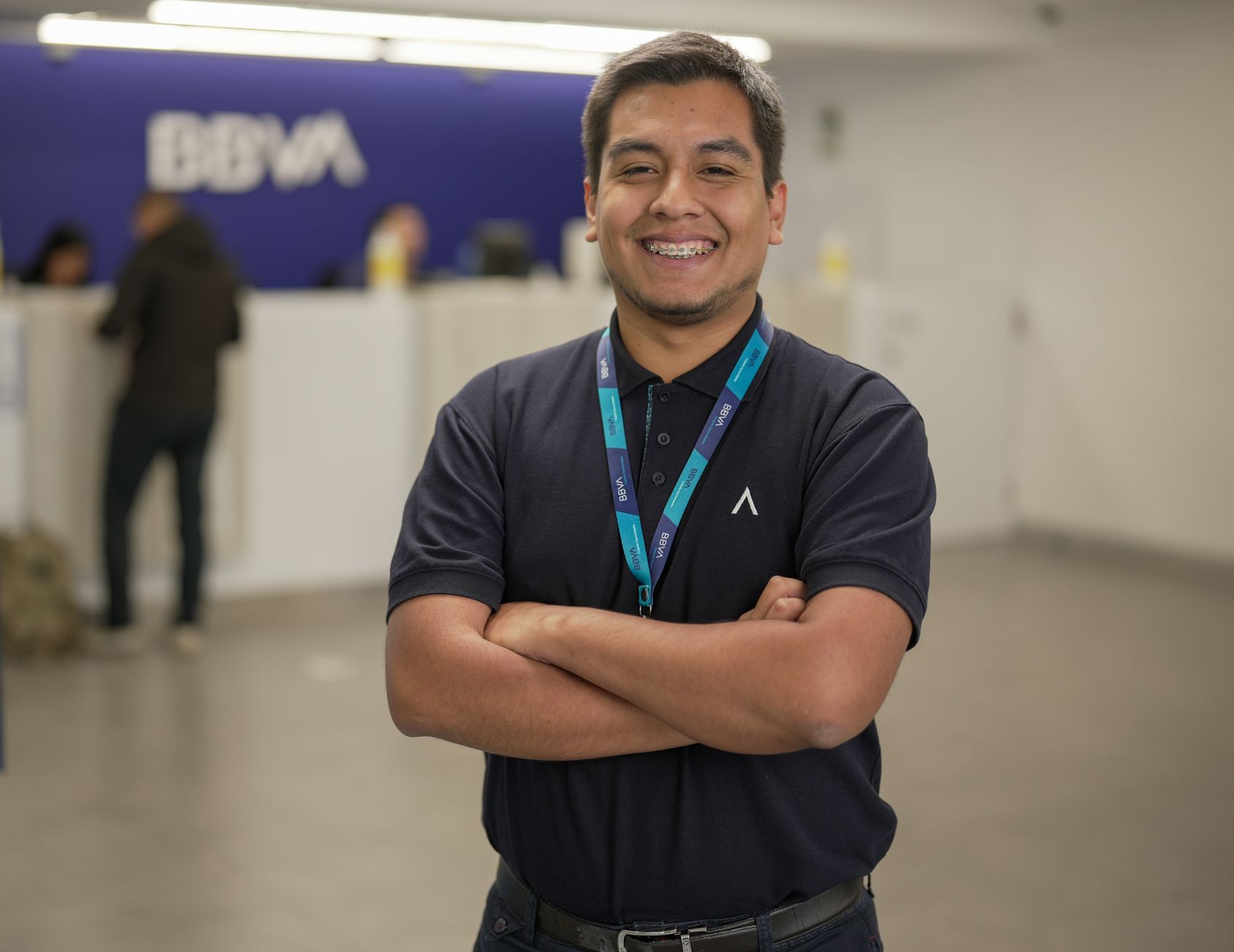
Ordering 50 custom lanyards might seem straightforward — pick a colour, slap a logo on, done. But anyone who’s been through the process knows there’s quite a bit more to it than that. Whether you’re kitting out staff for a corporate event in Melbourne, organising lanyards for a Sydney school’s sports carnival, or setting up your Brisbane sporting club for the new season, getting this order right from the start saves time, money, and a fair amount of frustration. This guide covers everything you need to know: decoration methods, material choices, turnaround times, budget expectations, and the practical details that make the difference between a lanyard that looks great and one that ends up in the bin.
Why 50 Custom Lanyards Is the Magic Minimum
In the promotional products industry, minimum order quantities (MOQs) exist because setup costs need to be spread across enough units to make production viable. For custom lanyards, 50 units is the most common starting point — and for good reason. It’s low enough to suit small teams, boutique events, and community organisations, yet high enough to unlock meaningful customisation options.
At this quantity, you’re generally working with a genuine product rather than a novelty. Suppliers can justify running a proper screen print or dye sublimation setup, which means your logo will look sharp and professional rather than blurry or washed out. If you only need 20 or 30 lanyards, you may find your options are limited to heat transfer or digital printing on generic stock, which often lacks the durability and vibrancy of purpose-made runs.
That said, 50 is often just the beginning. Many organisations ordering 50 custom lanyards for the first time come back for 200 or 500 once they see the results — especially when used at events, trade shows, or as part of an employee onboarding kit.
Who Typically Orders at This Quantity?
- Small businesses and startups outfitting a team for the first time
- Sporting clubs in Adelaide, Perth, or the Gold Coast ordering for coaches and officials
- Schools running a specific event or program with a limited cohort
- Charities and not-for-profits looking to stretch a modest budget
- Conference organisers with boutique events or VIP attendee lists
If your organisation falls into any of these categories, an order of 50 custom lanyards is likely a smart, cost-effective starting point.
Choosing the Right Lanyard Style and Material
Before diving into decoration, you need to nail down the physical product itself. Lanyards come in a surprisingly wide range of materials and styles, each suited to different uses.
Material Options
Polyester is the industry workhorse. It’s affordable, durable, and holds colour well — ideal for most everyday applications, from conference badge holders to school ID lanyards. Most 50-unit orders default to polyester.
Nylon offers a slightly silkier finish and a premium feel underfoot. It’s a step up from polyester in terms of presentation and is often chosen by corporate clients in Sydney or Melbourne who want their branded lanyards to look polished at client-facing events.
Woven or jacquard lanyards are where things get interesting. Rather than printing onto the material, the design is woven directly into the lanyard fabric. This creates an incredibly tactile, premium result that genuinely impresses. However, it typically requires a higher MOQ — usually 100 units minimum — so it may not be available at 50 units with all suppliers.
Eco-friendly options, such as lanyards made from recycled PET (plastic bottles) or bamboo-blend yarns, are gaining significant traction across Australia. If your organisation is focused on sustainability, it’s worth asking specifically for these options. You can read more about sustainable alternatives in our guide to recycled promotional products in Australia.
Attachment and Buckle Choices
The hardware on a lanyard matters more than most people realise. Common attachment options include:
- Bulldog clip — grips badge cards firmly, popular for conferences
- J-hook — simple and lightweight, suits ID cards and keycards
- Swivel clip — rotates to prevent tangling, great for active environments
- Safety breakaway clasp — mandatory in many schools and healthcare settings for safety compliance
Always confirm with your supplier whether hardware is included in the quoted price, as some suppliers charge separately for safety clips or specific attachment types.
Decoration Methods: What Works at 50 Units
The decoration method you choose directly impacts the final look, the cost per unit, and the durability of your logo over time. Here’s a breakdown of the most common approaches at the 50-unit quantity.
Screen Printing
Screen printing involves pushing ink through a mesh screen onto the lanyard fabric. It produces vibrant, long-lasting results and is the most common method for polyester lanyards. At 50 units, setup costs (sometimes called screen fees) can be $30–$60 per colour, so simpler one- or two-colour designs will be significantly more cost-effective.
Dye Sublimation
Sublimation is a game-changer for full-colour, edge-to-edge designs. The dye is infused directly into the polyester fabric using heat, meaning the colour won’t crack, peel, or fade with regular use. It’s ideal for complex logos, gradients, or photographic imagery. One of the best things about sublimation for small orders? There’s often no traditional setup fee per colour — you’re paying for the print run itself, which can make it competitive at 50 units.
Heat Transfer
Heat transfer is a cost-effective entry-level option that applies a pre-printed film to the lanyard surface. It works well for short runs and simple designs but doesn’t offer the same longevity as screen printing or sublimation. It’s a reasonable choice if your lanyards are for a one-off event rather than everyday use.
Embossed or Debossed Hardware
Some organisations choose plain or single-colour lanyards and instead personalise the metal buckle or end fitting. This is less common but creates a refined, understated look — particularly suited to luxury brands or high-end corporate events.
Artwork and Proof Approvals: What to Prepare
One of the most common delays in lanyard orders isn’t the production time — it’s the artwork approval process. Having your files ready to go can shave days off your turnaround.
Most suppliers need vector artwork (typically an AI, EPS, or PDF file) for screen printing and embroidery. For sublimation, high-resolution raster files (300 DPI minimum) are usually acceptable. Always confirm your brand’s PMS (Pantone Matching System) colour codes if colour accuracy is important — especially for corporate clients with strict brand guidelines.
Expect to review a digital proof before production begins. Read it carefully. Check spelling, logo orientation, and colour instructions. Once you approve the proof, the order moves to production and changes typically aren’t possible without incurring additional costs.
Budgeting for 50 Custom Lanyards
Let’s talk numbers, because budget is usually front of mind. At 50 units, you’re generally looking at a higher per-unit cost than larger runs — that’s simply the economics of setup costs spread across fewer pieces.
As a rough guide for the Australian market in 2026:
- Basic screen-printed polyester lanyards: $3.50–$6.00 per unit at 50 pieces
- Full-colour sublimation lanyards: $5.00–$9.00 per unit at 50 pieces
- Eco-friendly recycled lanyards: $6.00–$11.00 per unit at 50 pieces
- Woven/jacquard lanyards (if available at this MOQ): $8.00–$14.00 per unit
These figures are before GST and exclude freight, which varies by location. Deliveries to Darwin, Hobart, or remote regional areas will generally incur higher shipping costs than metropolitan orders in Sydney or Melbourne.
Setup fees are often a separate line item, so always ask for a fully itemised quote rather than just a “per unit” price. A supplier quoting $3.00 per lanyard with a $75 setup fee on an order of 50 is actually charging you $4.50 per unit in real terms.
Turnaround Times: Planning Your Timeline
Turnaround time is one of the most misunderstood aspects of promotional products ordering. At 50 custom lanyards, standard production is typically 7–14 business days from proof approval. Express or rush options may be available for an additional fee — sometimes turning orders around in 3–5 business days — but availability varies by supplier and decoration method.
Factor in additional time for:
- Back-and-forth on artwork adjustments
- Freight from supplier to your location (1–5 business days depending on destination)
- Public holidays, which can significantly affect manufacturing schedules
If you’re ordering for a specific event — a Perth conference, a Canberra school camp, or a Gold Coast sporting tournament — build in at least three weeks from the date you’re ready to place the order. Two weeks is cutting it fine; one week is risky.
Tips for Getting the Most From Your Order
A few practical points that seasoned buyers know but first-timers often learn the hard way:
Order a pre-production sample if budget allows. For 50 units, the cost difference between getting it right and reprinting a run that’s wrong can be significant. A sample confirms colour matching, hardware quality, and overall feel before committing to the full run.
Keep your design simple. The smaller the lanyard width (typically 10mm, 15mm, or 20mm), the less real estate you have for your logo or text. A clean, high-contrast design will always outperform a complex, detailed graphic when it comes to legibility.
Consider what you’re attaching. If you’re pairing these lanyards with an ID card holder or conference badge, confirm the attachment hardware is compatible. Some card holders only work with specific clip styles.
Think about reusability. If your organisation runs regular events, ordering once and reusing lanyards across multiple occasions can significantly reduce cost per use. This is especially relevant for sporting clubs and schools running recurring programs.
For organisations exploring promotional products beyond lanyards, it’s also worth reading about complementary items like water bottles in glass for event gift packs, or even promotional beach towels in Perth for outdoor event giveaways.
Conclusion: Key Takeaways for Your Lanyard Order
Ordering 50 custom lanyards is one of the most practical, cost-effective investments a small team, club, or organisation can make in its branding. Done well, these everyday items keep your name visible and your people looking professional. Here’s a quick recap of what to remember:
- 50 units is the most common MOQ and unlocks genuine customisation options including screen printing and sublimation
- Choose your material and hardware based on the end use — safety breakaways for schools and healthcare, bulldog clips for conferences
- Dye sublimation is ideal for full-colour designs; screen printing works best for simple one- or two-colour logos
- Request a fully itemised quote to avoid being surprised by setup fees or freight costs
- Allow at least three weeks between placing your order and your event date to avoid unnecessary stress
- Eco-friendly lanyard options are widely available and worth exploring if sustainability is part of your brand story
With the right planning and a clear brief, your 50 custom lanyards will arrive on time, look exactly as expected, and do exactly what good branded merchandise should — keep your organisation top of mind wherever your people go.